Wearing a Back Brace at Home: Tips for Comfort and Long-Term Relief

Introduction

Chronic back pain can turn even the simplest daily activities into a challenge—especially for older adults. For many seniors, the home becomes a place where back pain is most noticeable: getting up from a chair, bending to load the dishwasher, or standing while folding laundry can all trigger discomfort. Fortunately, wearing a back brace at home is a practical and effective way to relieve pressure on the spine and encourage healthy posture throughout the day.

Designed to reduce muscle strain and improve spinal alignment, back braces provide non-invasive support for individuals living with arthritis, degenerative disc disease, muscle fatigue, or recovering from surgery or injury. When used properly, a brace worn at home can ease pain, prevent aggravation of existing issues, and improve confidence in movement.

This guide will walk you through how to wear a back brace at home, offering tips for long-term relief, proper fit, daily usage, and care—all tailored for seniors who want comfort and stability during everyday routines.

Tips for Wearing a Back Brace at Home Comfortably

Wearing a brace for extended periods at home requires balance: it should feel supportive without becoming burdensome. Follow these comfort tips to ensure your brace works with you—not against you:

1. Layer Properly Underneath

Always wear your brace over a breathable, snug-fitting shirt. A cotton undershirt is ideal, as it creates a barrier between your skin and the brace, minimizing irritation from sweat or friction. Avoid wearing the brace directly on bare skin, which can lead to chafing or rashes over time.

2. Fine-Tune the Fit Throughout the Day

What feels comfortable at 9 a.m. may feel restrictive by afternoon. Adjust your brace’s straps and tension periodically, especially after meals or during weather-related swelling. A brace should remain snug but never tight—it should support without restricting movement or circulation.

3. Use It Strategically, Not Constantly

Rather than wearing your brace for the entire day, focus on using it during high-activity periods or when your back typically becomes sore. For instance, wear it while vacuuming, standing at the sink, or carrying laundry, then remove it during restful activities like reading or relaxing.

4. Combine with Movement-Friendly Footwear

Your shoes matter, too. Supportive, non-slip shoes help reinforce proper alignment while you wear a brace. Avoid soft slippers or flat sandals that can throw off your balance or posture while moving around the house.

5. Sit with Purpose

Even when wearing a brace, it’s important to sit upright. Choose a firm chair with back support and armrests. Sit with both feet on the floor and avoid slouching, which can undermine the brace’s alignment support. When getting up, use your legs—not your back—to push off the seat.

6. Listen to Your Body

If you experience itching, overheating, shortness of breath, or numbness while wearing your brace, take it off and check your fit. Discomfort is a sign that the brace may be too tight, worn incorrectly, or not suitable for extended wear. Adjust accordingly or consult with a specialist.

Why Wear a Back Brace at Home?

Although many people associate braces with heavy lifting or physical labor, the majority of strain on the spine happens during repetitive, low-impact daily activities. This includes housework, reaching overhead, prolonged sitting, and bending—all of which can strain the lower back over time.

Wearing a back brace at home helps:

  • Stabilize weak or fatigued muscles during movement

  • Encourage better posture while doing seated tasks like reading or working at a table

  • Reduce the risk of aggravating a pre-existing condition

  • Alleviate morning or evening stiffness from inactivity

  • Provide a sense of physical confidence when transitioning between movements (e.g., sitting to standing)

Back braces are especially helpful for individuals recovering from injury, surgery, or managing conditions like scoliosis, spinal stenosis, or lumbar disc degeneration. As noted by Harvard Health, using a back brace intermittently can help reduce back fatigue and promote more effective posture in older adults.

Daily Use Guidelines for Long-Term Relief

To experience real, lasting back relief at home, it’s important to use your brace consistently—but not excessively. Here’s how to incorporate your back brace into a healthy daily routine:

Morning Use

Start your day with short brace wear. Many seniors wake up with stiffness in the lower back due to prolonged rest. Wearing your brace during morning routines like stretching, preparing breakfast, or doing light tidying helps ease your muscles into motion and provides early stability.

Midday Activity

Plan your brace use around your most active periods. If you typically do housework, gardening, or errands after lunch, wear the brace as a preventive measure. This is especially helpful during repetitive bending, carrying items, or walking for long durations inside or outside the home.

Evening Support

If your pain tends to flare up later in the day, wearing your brace for an hour or two before dinner can help ease tension after a long period of sitting or moving. This can improve comfort while cooking or winding down for the evening.

Breaks Are Essential

Do not wear the brace all day long. To maintain muscle strength and flexibility, remove it after 2–4 hours of continuous wear. Allow your body to move naturally and perform light stretches if your healthcare provider allows it.

Pair with Gentle Movement

Use the brace to support—but not replace—healthy activity. Incorporate doctor-approved exercises such as gentle walking, seated stretching, or light yoga during your non-brace hours. This helps preserve core strength and keeps your muscles engaged, which reduces long-term dependence on the brace.

Track What Works

Keep a simple log of when and why you wore your brace. Note whether your pain improved or worsened during certain activities. This helps you and your doctor identify the most effective wear patterns for your needs.

How to Clean and Maintain Your Back Brace

Just like any piece of daily equipment, a back brace needs regular care to stay comfortable and hygienic.

  • Hand wash weekly using cold water and mild soap. Do not machine wash, which can damage structural components.

  • Air dry completely before use—lay flat away from sunlight or heat.

  • Wipe down daily if worn during high-sweat activities or outdoors.

  • Inspect straps, stitching, and closures monthly. Look for fraying or loss of tension.

  • Store flat or gently folded in a clean, dry space to preserve shape and material integrity.

Back braces from Heal Medical Supply are made with durable, breathable materials, but routine care ensures they stay supportive and skin-safe.

When to Replace Your Back Brace

No brace lasts forever. Replace your back brace if:

  • It no longer fits securely or slips out of place

  • Velcro or hook-and-loop closures have lost grip

  • The material is stretched, warped, or uncomfortable despite adjustment

  • You experience increased pain or reduced mobility while wearing it

  • Your condition has changed and now requires a different support level

Still unsure? A quick consultation with your provider—or a specialist at Heal Medical Supply—can help you determine whether your current brace is still serving its purpose.

Benefits of At-Home Use for Seniors

For seniors managing spinal conditions, at-home brace use provides distinct advantages:

  • Supports recovery from strain, surgery, or degenerative conditions

  • Reduces reliance on pain medications

  • Promotes safe movement during everyday tasks

  • Encourages good posture throughout the day

  • Enhances physical independence

  • Offers a sense of stability and reassurance

A 2013 study in the Journal of Geriatric Physical Therapy found that structured bracing significantly improved mobility and reduced disability in older adults with chronic low back pain.

Conclusion

Wearing a back brace at home isn’t just about comfort—it’s a proactive step toward better mobility, pain management, and independent living. When used correctly, it provides targeted relief during the moments that matter most: cooking, cleaning, resting, and moving around safely.

If you’re dealing with chronic back discomfort, a support brace can be a valuable addition to your at-home care plan.

At Heal Medical Supply, we provide high-quality, Medicare-covered back braces tailored to meet the comfort, support, and mobility needs of seniors.
Explore our back brace collection or speak with our team today to find the best solution for your home comfort and long-term relief.

Knee Braces for Osteoarthritis: Finding Relief Without Surgery

Introduction

Osteoarthritis of the knee is one of the most common causes of chronic joint pain in older adults. It develops as the cartilage cushioning the knee joint wears down over time, leading to friction between bones, joint stiffness, inflammation, and discomfort during movement.

While knee replacement surgery may eventually be necessary in severe cases, many seniors seek to delay surgery or avoid it altogether by using conservative methods of symptom management. Among the most effective and non-invasive tools available is the knee brace—a supportive device that helps alleviate pain, restore stability, and promote mobility.

In this article, we’ll explore how knee braces provide relief from osteoarthritis symptoms without surgery, how they work, what types to consider, and how to get the most benefit from daily use.


Understanding Osteoarthritis of the Knee

Osteoarthritis (OA) is a degenerative joint disease that occurs when cartilage—the smooth, protective tissue covering the ends of bones—gradually breaks down. In the knee joint, this cartilage loss leads to bone-on-bone friction, which causes pain, inflammation, and limited mobility.

Common Symptoms of Knee Osteoarthritis:

  • Pain during or after movement

  • Morning stiffness lasting more than 30 minutes

  • Swelling around the knee

  • Popping, grinding, or creaking sounds

  • Loss of flexibility

  • Joint instability or buckling during walking

The progression of osteoarthritis can vary. Some people experience mild symptoms for years, while others may see a more rapid decline. According to the Arthritis Foundation, early intervention—including physical support devices like knee braces—can significantly slow disease progression and reduce reliance on medication or surgery.

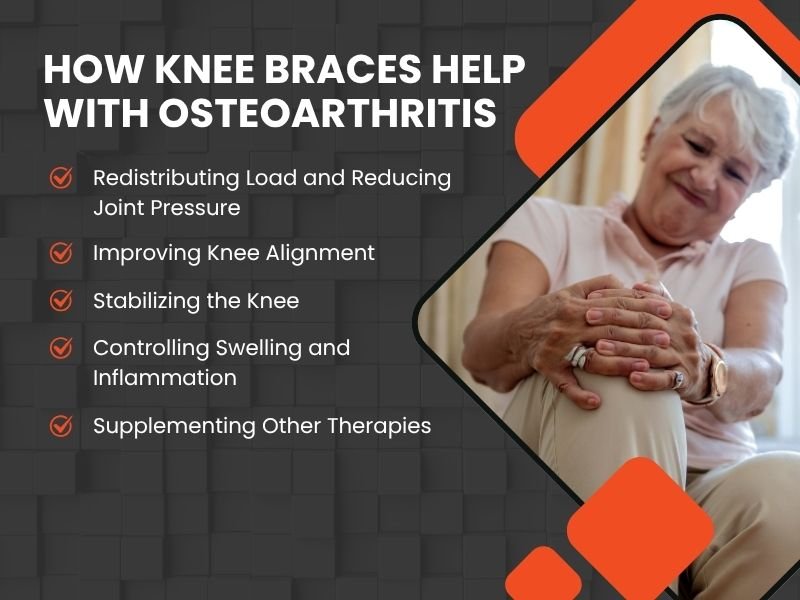
How Knee Braces Help with Osteoarthritis

Knee braces offer multiple functional and therapeutic benefits that make them ideal for managing osteoarthritis symptoms without surgery. Here’s a breakdown of how they help:

1. Redistributing Load and Reducing Joint Pressure

One of the primary causes of pain in osteoarthritis is the uneven distribution of pressure across the knee joint. In many cases, the inner (medial) or outer (lateral) compartment of the knee is more affected than the other. Specialized unloader braces help shift body weight away from the damaged area, reducing friction and allowing the healthier side of the joint to carry more load. This redistribution can lead to substantial pain reduction during walking and standing.

2. Improving Knee Alignment

Osteoarthritis can affect knee alignment, leading to issues like bow-leggedness or knock-knees. Over time, this misalignment increases wear and tear. Knee braces help keep the joint in a more neutral position, minimizing abnormal movement and encouraging better gait mechanics.

3. Stabilizing the Knee

As cartilage deteriorates and inflammation increases, the knee joint becomes less stable. This is particularly concerning for seniors who are at higher risk of falls. Hinged and wraparound braces offer lateral support to prevent the knee from giving out, reducing the likelihood of sudden instability or injury.

4. Controlling Swelling and Inflammation

Soft compression sleeves apply gentle pressure around the knee, which helps reduce swelling and fluid retention. These braces also promote blood circulation, which can ease inflammation and provide a sense of warmth and comfort to stiff joints.

5. Encouraging Physical Activity

Many seniors reduce their physical activity due to knee pain. However, inactivity can worsen joint stiffness, decrease strength, and accelerate arthritis symptoms. A supportive knee brace helps users feel more secure during movement, which encourages them to stay active—whether it’s walking, gardening, or participating in low-impact exercises.

6. Supplementing Other Therapies

Knee braces don’t work in isolation. They’re often used alongside exercise routines, physical therapy, medication, and weight management to provide a well-rounded and non-invasive approach to osteoarthritis care. Research supports this integrative method, noting that braces often help individuals adhere to their activity goals more comfortably.

Heal Medical Supply’s knee braces are designed with these benefits in mind, offering medical-grade solutions tailored to seniors with joint conditions like osteoarthritis.


Types of Knee Braces for Osteoarthritis

Choosing the right brace depends on the severity of your symptoms, the area of the knee affected, and your lifestyle. Here are the most effective types for osteoarthritis:

Unloader Braces

  • Designed to relieve pressure on one side of the knee

  • Best for patients with uneven cartilage wear

  • Ideal for moderate osteoarthritis

  • May require medical fitting and prescription

Hinged Braces

  • Include rigid side supports to prevent unwanted lateral motion

  • Ideal for seniors with instability, ligament weakness, or poor balance

  • Often used during walking, standing, or light physical activity

Compression Sleeves

  • Soft, flexible braces that reduce swelling and improve circulation

  • Provide mild support for early-stage OA

  • Lightweight and breathable, suitable for extended daily wear

  • May be worn discreetly under clothing

Wraparound Braces

  • Easy to apply and adjust

  • Useful for seniors with arthritis in their hands or reduced dexterity

  • Some feature an open-patella design to reduce kneecap pressure

Each of these brace types plays a different role in osteoarthritis management, and sometimes a combination of them may be appropriate.


Benefits of Bracing vs. Surgery

While surgery remains an option for severe osteoarthritis, many seniors prefer to try conservative treatments first. Here’s why knee braces are a strong alternative:

  • Non-invasive and low-risk: No surgery, no downtime, no incisions

  • Cost-effective: Braces are typically more affordable and may be Medicare-covered

  • Customizable: You can try different brace styles or adjust fit as needed

  • Immediate relief: Many users report reduced pain and improved mobility within days of consistent use

  • Delay surgical intervention: Bracing can help preserve joint function and avoid or postpone knee replacement

  • Compatible with other therapies: Braces work well alongside physical therapy and medication

A study in the Journal of Orthopaedic Research found that knee braces improved function and reduced pain in patients with medial knee osteoarthritis, with particularly high satisfaction rates among older users.

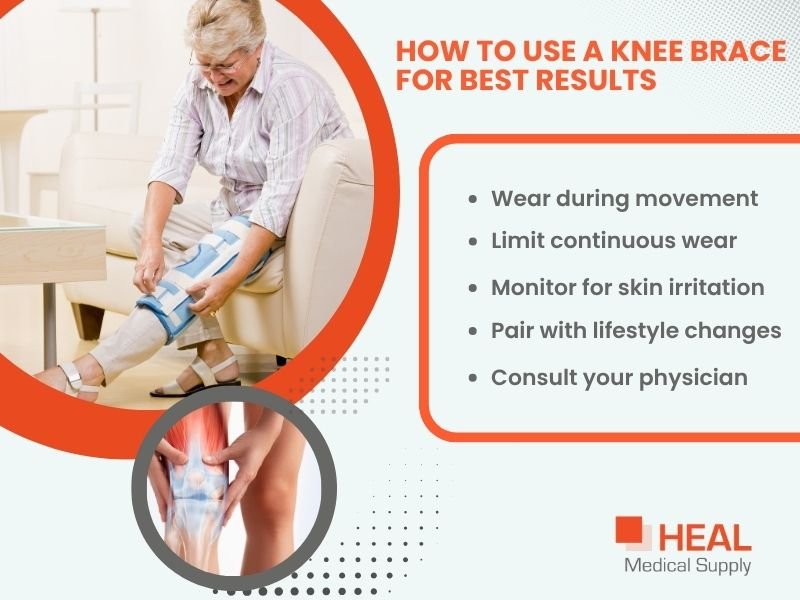
How to Use a Knee Brace for Best Results

To get the full benefit of a knee brace, it’s important to wear it correctly and consistently.

  • Wear during movement: Braces are most useful when walking, exercising, or completing household tasks

  • Limit continuous wear: Unless advised by a provider, avoid wearing all day to prevent muscle fatigue

  • Monitor for skin irritation: Check for red marks or pressure spots and adjust the fit as needed

  • Pair with lifestyle changes: Use the brace alongside joint-friendly activities like swimming, stretching, and resistance training

  • Consult your physician: Before choosing a brace, especially if you’ve had previous surgery or advanced OA


Maintenance and Replacement Tips

To keep your brace effective over time:

  • Wash weekly by hand with mild soap

  • Air dry only – no dryers or sunlight

  • Wipe down after sweaty use

  • Store in a cool, dry space

  • Inspect for wear – replace if straps become loose, Velcro fails, or material degrades

When the brace no longer fits securely, feels uncomfortable, or fails to relieve symptoms, it’s time for a replacement. If in doubt, contact Heal Medical Supply for help evaluating your current brace.


Conclusion

Knee braces offer a proven, non-surgical solution for managing the pain and stiffness of osteoarthritis. From improving joint alignment and reducing inflammation to restoring confidence in movement, the right brace can make daily life significantly more comfortable.

If you’re exploring alternatives to surgery, a properly fitted knee brace—used in combination with other therapies—can be your first step toward long-term joint relief.

At Heal Medical Supply, we provide Medicare-approved knee braces designed specifically for seniors living with osteoarthritis.

Visit our knee brace collection or speak with our support team today to find the right fit for your needs.

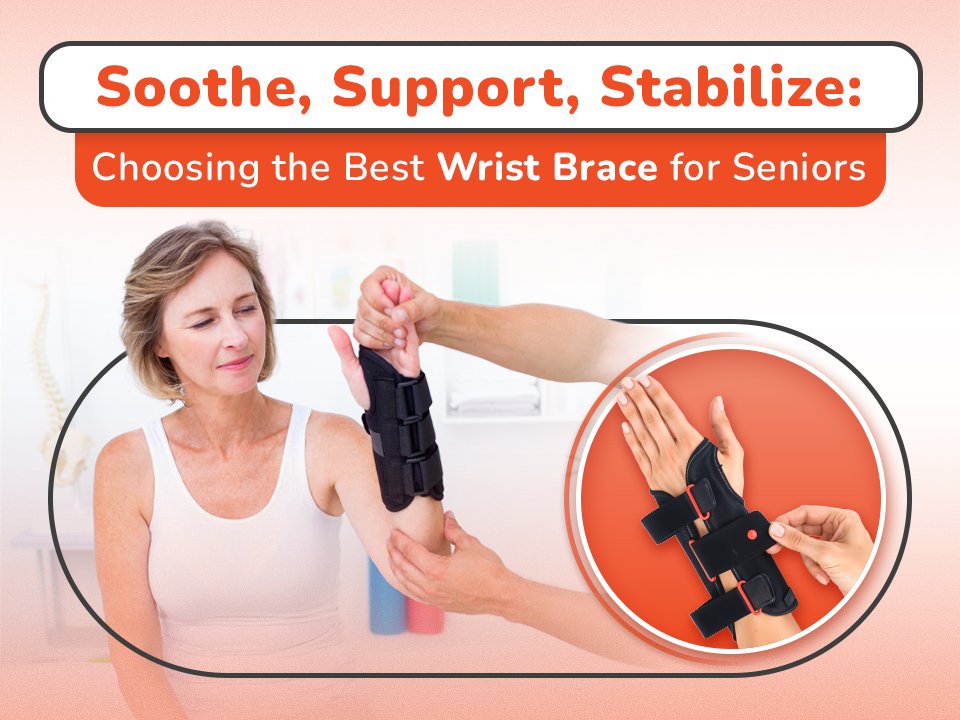
Soothe, Support, Stabilize: Choosing the Best Wrist Brace for Seniors

Introduction

With age comes wisdom—and often, joint pain. One of the most common complaints among seniors is discomfort in the wrists, especially during everyday activities like writing, cooking, or lifting light objects. Whether caused by arthritis, tendon inflammation, or repetitive strain, wrist pain can significantly limit independence and quality of life.

Thankfully, wrist braces offer a simple yet powerful solution. They soothe inflammation, support weak joints, and stabilize wrist movement. But not all braces are made the same, and finding the best wrist brace for seniors requires thoughtful consideration of comfort, effectiveness, and daily usability.

In this guide, we’ll explore how to choose a wrist brace that delivers all three—soothe, support, and stabilize—along with tips on types, fit, use, and care.


Understanding Wrist Pain in Seniors

Wrist pain in older adults is more than an occasional nuisance—it can stem from long-standing wear-and-tear or underlying health conditions that require targeted management.

Common Causes of Wrist Pain Among Seniors

  • Osteoarthritis – Degenerative cartilage loss in the wrist joint, leading to stiffness and aching. 
  • Carpal Tunnel Syndrome – Compression of the median nerve, resulting in numbness, tingling, or weakness. 
  • Rheumatoid Arthritis – An autoimmune condition that inflames joints and can deform wrists. 
  • Tendonitis – Inflammation of tendons due to repetitive strain or overuse. 
  • Sprains or Minor Fractures – Often related to falls, which are more frequent in aging populations. 
  • Post-surgical recovery – Seniors healing from procedures may require additional support to regain function. 

For conditions like carpal tunnel syndrome, proper support can greatly reduce discomfort and slow symptom progression.


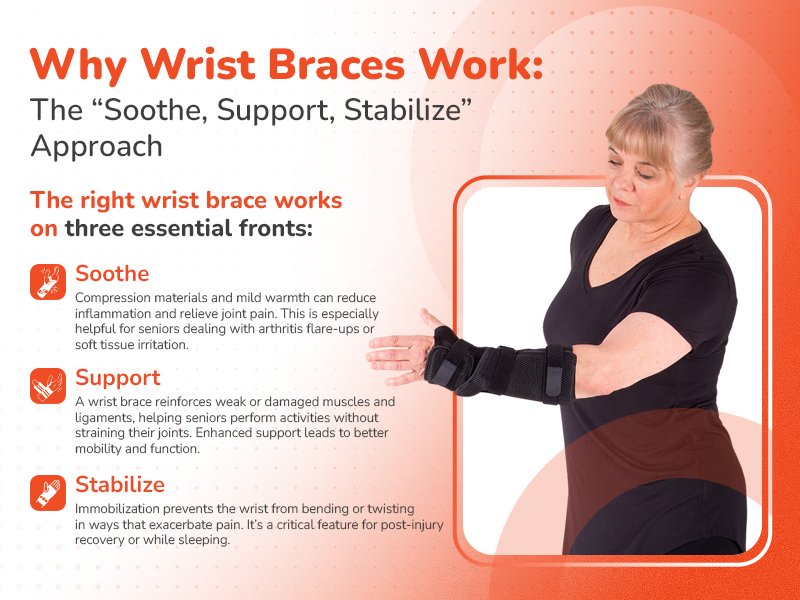
Why Wrist Braces Work: The “Soothe, Support, Stabilize” Approach

The right wrist brace works on three essential fronts:

Soothe

Compression materials and mild warmth can reduce inflammation and relieve joint pain. This is especially helpful for seniors dealing with arthritis flare-ups or soft tissue irritation.

Support

A wrist brace reinforces weak or damaged muscles and ligaments, helping seniors perform activities without straining their joints. Enhanced support leads to better mobility and function.

Stabilize

Immobilization prevents the wrist from bending or twisting in ways that exacerbate pain. It’s a critical feature for post-injury recovery or while sleeping.

What to Look for in a Senior-Friendly Wrist Brace

Choosing the right brace is essential for comfort, compliance, and effectiveness. Here’s what seniors and caregivers should prioritize:

1. Adjustability

The brace should have Velcro or wrap-around straps that can accommodate swelling or changes in joint size during the day.

2. Soft, Breathable Materials

Seniors often have sensitive skin. Choose hypoallergenic, latex-free fabrics that prevent irritation.

3. Ease of Use

Choose a brace that’s easy to put on and remove without assistance. Seniors with limited dexterity benefit from one-handed wrap-style designs.

4. The Right Level of Support

Mild compression sleeves are great for everyday use, while rigid braces with metal stays may be needed for more severe conditions.

5. Size and Fit

Proper sizing is crucial. A brace that’s too tight can cut off circulation, while a loose one offers no support.

Heal Medical Supply’s wrist braces are thoughtfully designed to meet these exact needs, offering a range of sizes and support levels for everyday comfort and medical relief.


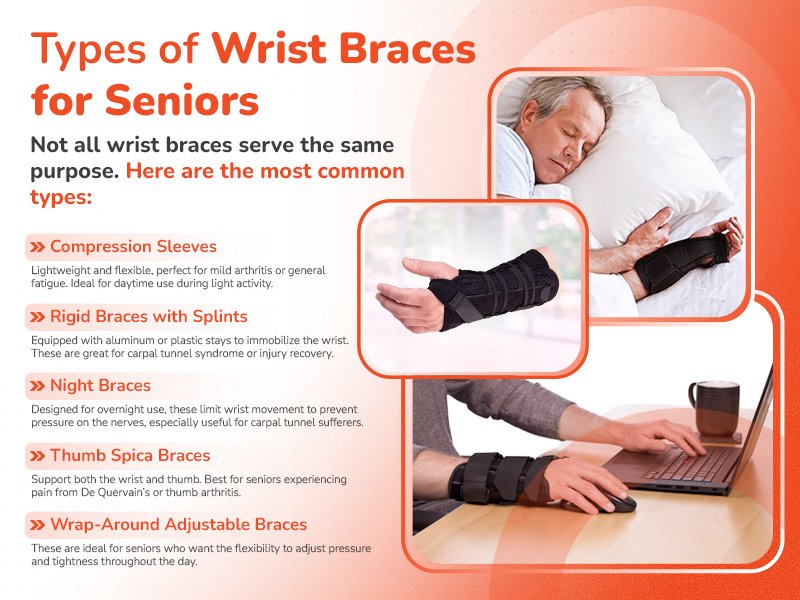
Types of Wrist Braces for Seniors

Not all wrist braces serve the same purpose. Here are the most common types:

Compression Sleeves

Lightweight and flexible, perfect for mild arthritis or general fatigue. Ideal for daytime use during light activity.

Rigid Braces with Splints

Equipped with aluminum or plastic stays to immobilize the wrist. These are great for carpal tunnel syndrome or injury recovery.

Night Braces

Designed for overnight use, these limit wrist movement to prevent pressure on the nerves, especially useful for carpal tunnel sufferers.

Thumb Spica Braces

Support both the wrist and thumb. Best for seniors experiencing pain from De Quervain’s or thumb arthritis.

Wrap-Around Adjustable Braces

These are ideal for seniors who want the flexibility to adjust pressure and tightness throughout the day.

Each design serves a unique purpose, and some seniors even benefit from owning more than one type—one for rest, one for activity.

Daily Benefits of Wrist Braces for Older Adults

A wrist brace isn’t just a temporary fix. With consistent use, it can improve everyday comfort, independence, and mental well-being.

Key Daily Benefits Include

  • Pain Reduction from arthritis and joint inflammation 
  • Improved Grip Strength for opening jars, lifting objects, and writing 
  • Better Sleep by limiting painful wrist movements overnight 
  • Injury Prevention through motion restriction during risky tasks 
  • Increased Confidence in mobility and hand use 
  • Posture Correction by keeping the wrist in an anatomically safe position 
  • Drug-Free Pain Relief, an essential benefit for seniors managing multiple medications 

A study by the NIH supports the long-term use of wrist braces in elderly patients with chronic joint pain.


How to Wear a Wrist Brace Correctly

Wearing your wrist brace the right way ensures comfort, stability, and pain relief. Follow these simple tips to get the best results:

  1. Clean, dry skin:
    Always start with clean, dry skin to prevent irritation. Avoid applying lotion under the brace.
  2. Proper fit:
    Secure the straps so the brace feels snug but not too tight. It should stay in place without cutting off circulation.
  3. Align splints correctly:
    If your brace has a built-in splint, make sure it rests under your wrist—not on top or off-center—for maximum support.
  4. Wear at the right time:
    Use the brace during pain flare-ups or repetitive tasks like typing, lifting, or cooking. Nighttime use may help with carpal tunnel symptoms.
  5. Take breaks:
    If wearing the brace all day, remove it occasionally to allow your wrist to stretch and stay active.


Care and Maintenance for Long-Term Use

Keeping your wrist brace clean and in good condition helps extend its lifespan and ensures safe use.

  1. Wash weekly:
    Hand wash with mild soap and lukewarm water. Avoid bleach or machine washing.
  2. Air dry completely:
    Let the brace dry flat in a shaded area. Don’t use dryers or heaters, as heat can damage the materials.
  3. Spot clean between washes:
    Wipe with a damp cloth to remove dirt and sweat after daily use.
  4. Store in a dry place:
    Keep your brace in a cool, ventilated spot away from moisture or heat to avoid mold and odor.
  5. Inspect monthly:
    Check for worn-out Velcro, loose stitching, or damage. Replace if the brace no longer fits or functions properly.

Regular cleaning prevents bacterial infections, especially important for seniors with sensitive skin.


When to Replace Your Wrist Brace

Wrist braces should be replaced when they no longer provide effective support. Watch for these signs:

  • The brace slips, feels too loose, or won’t stay in place 
  • Fabric or straps are torn, stretched, or cracked 
  • Velcro closures don’t hold 
  • Persistent odor even after washing 
  • New or worsening pain while wearing it 
  • You’ve had a medical update that requires a different type of brace 

If you’re unsure, speak with a medical provider or contact Heal Medical Supply for help selecting the right replacement.


Conclusion

Wrist pain doesn’t have to interfere with an active, independent lifestyle. The right wrist brace can make a world of difference by soothing pain, supporting joint health, and stabilizing movement. Whether managing arthritis, carpal tunnel syndrome, or general aging-related weakness, seniors can benefit from daily use of a thoughtfully designed brace.

When choosing your brace, prioritize comfort, adjustability, and support—and be sure to follow daily care and wear tips for optimal results.

Heal Medical Supply’s wrist braces are Medicare-eligible and trusted by seniors across the country. Our team is ready to help you find the perfect fit for your needs.

Need help selecting the right brace? Contact us today to speak with a specialist and take the next step toward wrist pain relief and confidence in every movement.

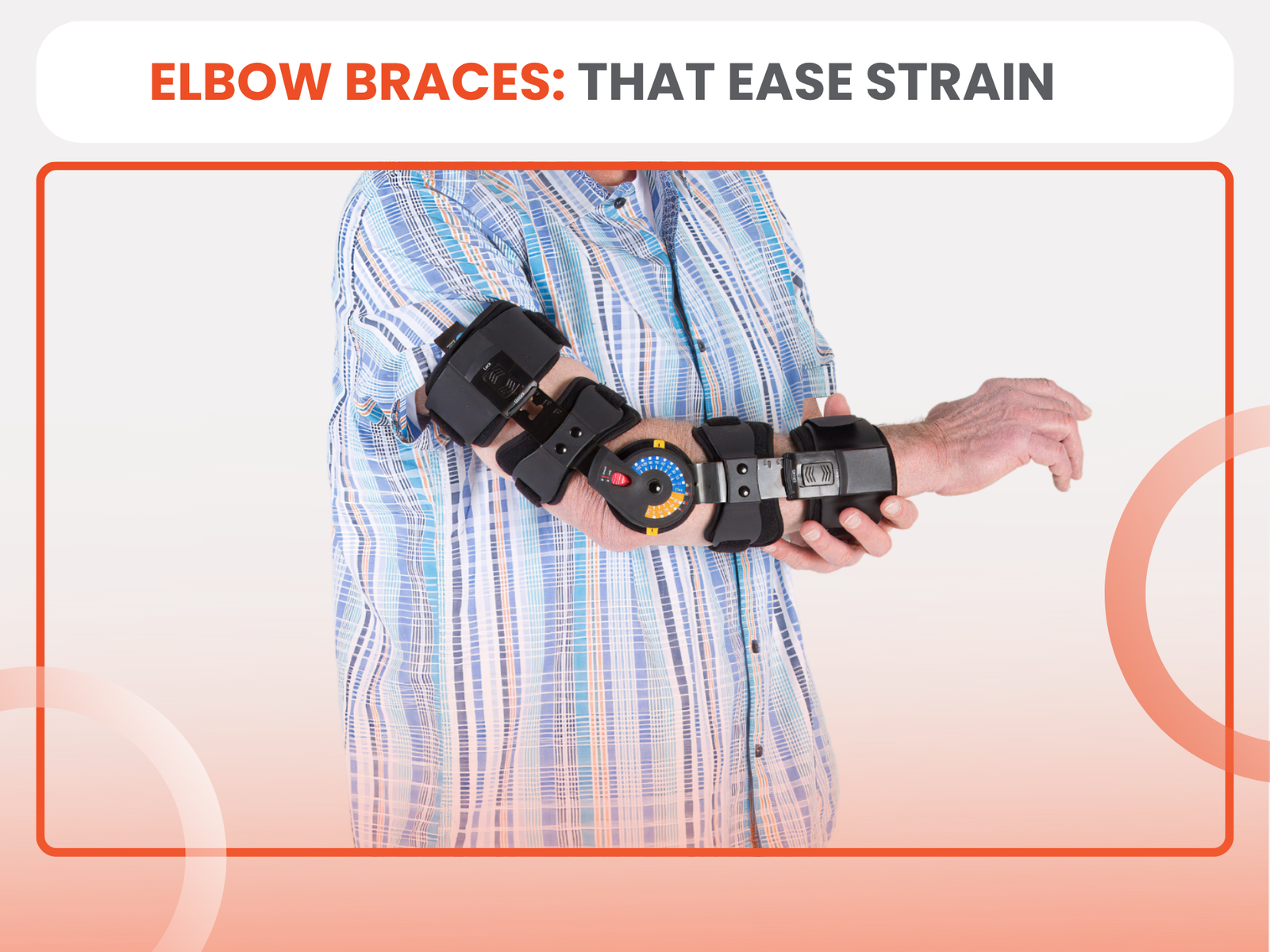
Elbow Braces: That Ease Strain

Elbow Braces: That Ease Strain

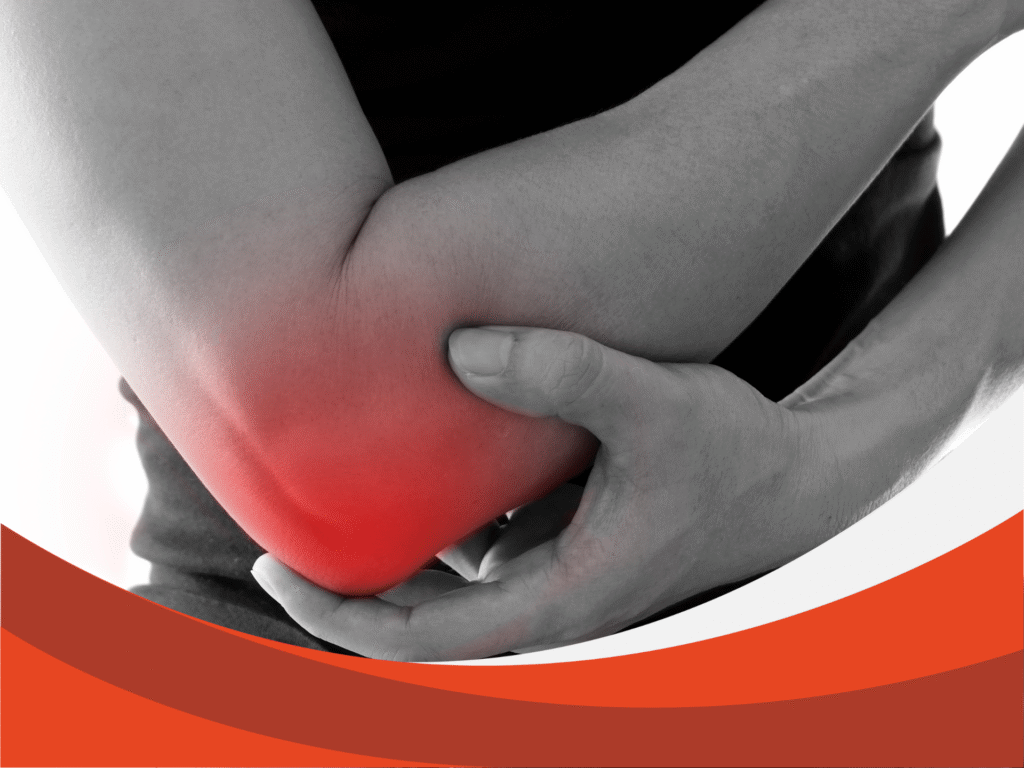
Elbow braces are a proven solution for managing joint discomfort, reducing strain, and supporting overall arm mobility. Whether caused by repetitive motion, age-related wear, or minor injury, elbow strain can interfere with simple daily tasks like lifting, writing, or reaching. Common among seniors, athletes, and workers, untreated strain may develop into chronic conditions such as tendonitis or arthritis, making early support essential.

Elbow braces work by providing targeted compression and stability to the joint. This helps reduce tension on muscles and tendons, improve circulation, and limit movements that may worsen the injury. They can be worn during recovery or as preventive support during physical activity. With the right brace, users often experience less pain, increased range of motion, and improved joint function. According to the Arthritis Foundation, joint supports like elbow braces can play a valuable role in daily pain management. At Heal Medical Supply, we specialize in high-quality elbow braces designed to meet the needs of different lifestyles—whether for injury recovery, long-term joint care, or daily use. Understanding how elbow braces work is the first step toward lasting relief and better elbow health.

Understanding Elbow Strain and Its Causes

Elbow strain happens when muscles and tendons around the joint are overused, overstretched, or injured. Recognizing the causes can help prevent long-term damage and guide the use of elbow braces for effective support.

1. Repetitive Motion

Tasks like typing, lifting, painting, or playing tennis can overwork the elbow joint. Constant strain leads to inflammation and discomfort, especially without proper rest.

2. Age-Related Wear

As we age, joint tissues naturally weaken. Seniors often experience reduced flexibility and slower healing, making the elbow more prone to strain even from simple activities.

3. Improper Lifting Technique

Lifting heavy items without proper form places excessive pressure on the elbow. This can lead to tendon tears or joint misalignment over time.

4. Sports Injuries

Activities involving throwing or swinging (e.g., golf, baseball) can lead to sudden or gradual elbow damage. Common conditions include tennis elbow and golfer’s elbow.

5. Work-Related Strain

Jobs that involve constant arm movement, such as construction, assembly, or manual labor, increase the risk of elbow overuse injuries.

6. Poor Ergonomics

Using non-supportive desks, chairs, or tools can place the elbow in awkward positions for long periods, contributing to strain and discomfort.

How Elbow Braces Help Ease Strain

How Elbow Braces Help Ease Strain

Elbow braces are effective tools for relieving joint pressure and supporting long-term joint health. Here’s how they help:

  • Stabilize the Joint
    Elbow braces restrict excessive movement, preventing overextension and helping the joint heal without added stress.

  • Provide Targeted Compression
    Gentle pressure improves circulation, reduces swelling, and accelerates tissue repair in strained or inflamed areas.

  • Reduce Muscle and Tendon Load
    By supporting the elbow, braces decrease tension on surrounding tissues, allowing muscles and tendons to recover properly.

  • Offer Pain Relief During Motion
    Braces act as a buffer, reducing discomfort when bending or lifting the arm during daily activities.

  • Prevent Further Injury
    For people at risk of repetitive strain, such as workers or seniors, braces help prevent worsening of existing issues.

At Heal Medical Supply, we offer a full range of elbow braces that are built to ease strain, support recovery, and enhance everyday comfort.

Types of Elbow Braces and Their Benefits

Choosing the right type of elbow brace depends on your condition, level of activity, and comfort needs. Each type offers specific benefits for managing strain, preventing injury, or aiding recovery.

  • Compression Sleeves
    These soft, flexible sleeves provide mild support and consistent compression across the joint.
    Best for: mild discomfort, daily use, swelling reduction, and early-stage strain.

  • Tennis/Golfer’s Elbow Straps
    These narrow bands wrap around the forearm just below the elbow. They apply focused pressure to the tendons.
    Best for: lateral epicondylitis (tennis elbow) or medial epicondylitis (golfer’s elbow).

  • Hinged Elbow Braces
    Designed with metal or plastic hinges to limit motion and protect the elbow during recovery.
    Best for: post-surgical support, moderate to severe injuries, or chronic instability.

  • Adjustable Wrap Braces
    These braces use Velcro straps to customize fit and pressure. They balance flexibility with support.
    Best for: moderate strain, work-related use, and active recovery.

  • Padded Support Braces
    These offer added cushioning for comfort and protection against impact.
    Best for: manual laborers, athletes, or people prone to bumps and pressure points.

Explore all brace types in our elbow support collection to find the perfect fit for your lifestyle and recovery goals.

When to Wear an Elbow Braces

When to Wear an Elbow Braces

Knowing when to wear an elbow brace can help prevent injury, manage pain, and support recovery more effectively. The right timing depends on your condition and daily activities.

  • During Physical Activity
    Wear an elbow brace while lifting, playing sports, or doing repetitive tasks to reduce stress on the joint and prevent overuse injuries.

  • After an Injury
    If you’ve strained or sprained your elbow, a brace helps stabilize the area during healing and prevents further damage.

  • During Flare-Ups of Chronic Conditions
    For issues like arthritis or tendonitis, braces offer relief during painful episodes by easing pressure and limiting strain.

  • Post-Surgery or Medical Treatment
    Doctors often recommend braces during recovery from surgery or treatment to keep the elbow protected and aligned.

  • While Working or Performing Manual Tasks
    If your job involves heavy lifting, gripping, or repetitive motion, a brace can reduce your risk of long-term damage.

  • During Daily Activities for Seniors
    Seniors may wear braces even during simple activities like cooking, gardening, or cleaning to avoid joint stress.

Read More: Elbow Braces for Athletes: Enhancing Performance and Recovery

Choosing the Right Elbow Braces for Your Needs

Selecting the right elbow brace depends on your condition, lifestyle, and level of support required. An ideal brace should offer comfort, stability, and flexibility based on your specific needs.

1. Consider the Type of Support Needed: Elbow Braces

  • Mild support: Choose a compression sleeve for general discomfort or light swelling.
  • Targeted support: Use a strap for tendonitis, like tennis or golfer’s elbow.
  • Maximum support: Opt for a hinged brace for post-injury recovery or chronic instability.

2. Check Fit and Adjustability

  • A proper fit ensures effective support without cutting off circulation. Look for braces with adjustable straps or multiple sizes to match your arm shape and comfort preferences.

3. Prioritize Material and Breathability Elbow Braces

  • Braces made from breathable, soft fabrics reduce skin irritation and discomfort during long wear. Moisture-wicking material is ideal for active use.

4. Match the Elbow Brace to Your Lifestyle

  • Seniors: Choose easy-to-use, slip-on designs with gentle compression.
  • Athletes and active users: Look for performance braces that allow motion while protecting the joint.
  • Workers: Select durable options with added padding for protection against impact.

Heal Medical Supply: Your Trusted Source for Elbow Braces That Ease Strain

At Heal Medical Supply, we understand how joint discomfort can affect your quality of life. That’s why we offer a carefully curated selection of elbow braces that ease strain, improve mobility, and support long-term joint health. Whether you’re managing an injury, coping with arthritis, or simply need reliable support for daily tasks, we have options designed for your unique needs.

  • Wide Range of Braces
    From compression sleeves to hinged braces and tendon support straps, our collection covers all levels of support—ideal for seniors, athletes, and working professionals.

  • Trusted Medical-Grade Quality
    All our braces are made from durable, breathable materials and recommended by healthcare professionals for comfort, safety, and long-term wear.

  • Customer-Centered Service
    We provide fast shipping, easy returns, and a dedicated support team to help you choose the right product. Your comfort is our priority.

  • Shop with Confidence
    Join thousands of satisfied customers who rely on Heal Medical Supply for dependable, affordable, and effective orthopedic solutions.

Conclusion

Elbow strain can limit your ability to perform simple, everyday tasks. Whether caused by injury, aging, or repetitive motion, it’s important to take early action to protect your joint health. Elbow braces provide the support needed to reduce pain, promote healing, and prevent further damage. From mild discomfort to post-injury recovery, the right brace can make a significant difference in your mobility and comfort.

Take control of your elbow health today.
Explore our full selection of elbow braces at Heal Medical Supply and find the support that fits your lifestyle.

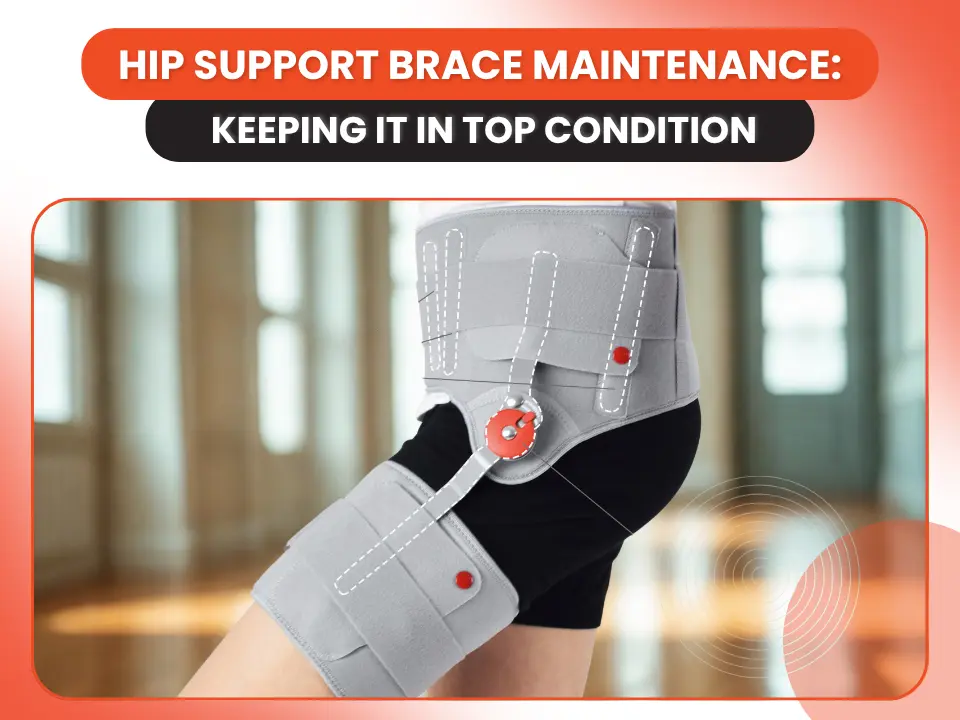
Hip Support Brace Maintenance: Keeping It in Top Condition

Hip Support Brace Maintenance: Keeping It in Top Condition

A hip support brace is a valuable tool for individuals managing joint pain, recovering from surgery, or needing extra support during daily activities. It helps stabilize the hip, reduce strain, and improve overall mobility. However, to ensure it continues to function properly, regular maintenance is necessary. A poorly maintained brace can lose its effectiveness, become uncomfortable, or even cause skin irritation due to dirt, sweat, or bacteria buildup. Understanding how to care for your hip brace is essential for getting the most benefit from its support and for protecting your skin and joints.

Consistent cleaning, proper storage, and regular inspections can extend the life of your brace and maintain its performance. These steps help prevent common issues such as worn-out straps, loose fittings, or material breakdown. Whether you use your brace daily or occasionally, taking care of it ensures long-term reliability and comfort. This guide offers practical tips on how to clean, store, and monitor your hip support brace. With simple, regular care, you can keep your brace in top condition and continue to move with greater ease and confidence.

Why Hip Support Brace Maintenance Matters

Maintaining your hip support brace is essential for health, comfort, and long-term effectiveness. Regular care helps you get the most benefit from your brace while avoiding issues that can arise from neglect. Here are the key reasons why maintenance matters:

  • Preserves support and alignment
    A well-maintained brace holds the hip joint in the correct position, reducing strain and promoting stability. Worn-out components can cause the brace to shift or lose its shape, making it less effective.
  • Prevents skin irritation and infection
    Daily use causes sweat, skin oils, and dirt to build up on the brace. Without cleaning, this can lead to rashes, discomfort, or bacterial infections. Regular cleaning protects the skin and maintains hygiene.
  • Improves comfort
    A clean, properly fitted brace is easier and more comfortable to wear throughout the day. It reduces friction, pressure points, and discomfort, encouraging consistent use.
  • Extends product life
    Routine inspection and care help identify minor issues before they worsen. This prolongs the lifespan of the brace and prevents the need for early replacement.
  • Saves cost over time
    Maintaining the brace reduces wear and tear, lowering the chances of needing a new brace sooner than expected. Replacing parts instead of the entire brace can also reduce expenses.
  • Supports recovery and mobility
    Consistent maintenance ensures the brace works as intended, whether for injury recovery, post-surgery support, or joint pain relief.

By keeping your hip brace clean and functional, you protect both your investment and your health.

Hip Support Brace: Daily Care Tips

Daily Care Tips

Caring for your hip support brace each day helps maintain its effectiveness, cleanliness, and comfort. Consistent daily habits reduce wear and extend the life of the brace.

Here are practical tips for daily care:

1. Inspect the Brace Before and After Use

  • Check for loose stitching, frayed straps, or damaged components
  • Confirm that all fasteners and Velcro closures are functioning properly
  • Ensure padding and alignment areas remain intact

2. Clean the Skin Before Wearing

  • Wash and dry the hip area to reduce sweat and oil buildup
  • Avoid applying lotions, creams, or powders under the brace

3. Ensure Proper Fit Throughout the Day

  • Adjust straps for a snug, secure fit that does not restrict movement
  • Recheck alignment if the brace shifts during walking, sitting, or standing

4. Wipe Down After Use

  • Use a clean, damp cloth to remove surface dirt and sweat
  • Allow the brace to air dry fully before storing or wearing it again

Building these steps into your routine helps keep your brace in good condition and reduces the risk of discomfort or skin irritation.

Cleaning Instructions

Keeping your hip support brace clean is essential for maintaining hygiene, comfort, and effectiveness. Sweat, body oils, and dirt can build up with regular use, leading to odors, skin irritation, and reduced material performance. Regular cleaning protects both your brace and your skin, especially when worn for extended periods.

Follow these steps to clean your brace properly:

  • Read the care label
    Always check the manufacturer’s cleaning instructions before washing. Some braces contain materials that require specific care methods.
  • Use hand washing for most braces
    Fill a basin with lukewarm water and add a small amount of mild detergent. Avoid bleach or strong chemicals, as these can damage the fabric or irritate the skin.
  • Gently scrub and rinse
    Use a soft cloth or sponge to clean the surface, focusing on straps and padding. Rinse thoroughly to remove all soap residue.
  • Air dry completely
    Lay the brace flat on a towel in a shaded area. Do not use direct sunlight, dryers, or heaters, as heat can warp or weaken components.
  • Clean regularly based on use
    If worn daily, clean the brace at least twice a week. Increase frequency during warm weather or after physical activity.
  • Spot clean between washes
    Use a damp cloth to wipe down the brace after each use to control sweat and dirt buildup.

Proper cleaning extends the life of your hip brace and helps keep it safe and comfortable for daily wear.

Storage Best Practices 

Storing your hip support brace correctly helps maintain its shape, hygiene, and overall effectiveness. Improper storage can lead to damage, reduced comfort, or faster wear. Follow these key practices to keep your brace in top condition:

  • Clean and dry before storing
    Always clean the brace after use and allow it to air dry fully. Storing a damp brace can lead to mold, odors, and material breakdown.
  • Avoid heat and sunlight
    Store the brace in a cool, dry place away from direct sunlight, heaters, or radiators. Heat can weaken elastic and Velcro, reducing the brace’s durability.
  • Use breathable storage materials
    Choose a fabric or mesh bag instead of plastic. Breathable materials allow airflow and help prevent moisture buildup and odor.
  • Lay flat or fold gently
    If space allows, lay the brace flat to preserve its shape. If folding is necessary, avoid bending rigid components or stretching the straps.
  • Keep it separate from contaminants
    Store the brace away from shoes, cleaning products, or equipment to prevent exposure to dirt, chemicals, or sharp objects.
  • Avoid pressure from other items
    Do not stack heavy items on the brace. Excessive weight can deform the brace and damage the padding or structure.
  • Maintain a clean storage area
    Wipe the storage drawer or container regularly to prevent dust or debris from collecting around the brace.

Proper storage helps extend the life of your hip brace, keeping it clean, comfortable, and ready for regular use.

When to Replace Your Hip Brace

When to Replace Your Hip Brace

A hip support brace is designed to provide consistent support, stability, and comfort. Over time, regular use can wear down its materials, reduce its effectiveness, and compromise its fit. Recognizing when to replace your brace is important for maintaining proper support and preventing further strain or injury.

Replace your hip brace if you notice any of the following:

  1. Visible damage – Tears, frayed straps, or broken fasteners that affect fit or function
  2. Loss of support – The brace no longer holds the hip in proper alignment or feels loose despite adjustment
  3. Persistent discomfort – Increased rubbing, pinching, or pressure points even after cleaning and readjustment
  4. Worn-out materials – Padding is compressed, Velcro no longer sticks, or elastic bands have stretched beyond use
  5. Odor or hygiene issues – The brace retains odor or feels unclean even after thorough washing
  6. Medical changes – A change in your condition or treatment plan requires a different type or size of brace

Consult your healthcare provider or supplier for recommendations if you’re unsure about the condition of your brace. Timely replacement supports your recovery and helps you stay active with confidence.

Read More: How to Choose the Right Hip Support Brace: A Comprehensive Guide

Conclusion

Caring for your hip support brace is an important part of maintaining its effectiveness, comfort, and durability. A brace that is regularly cleaned, inspected, and stored properly can provide consistent support, reduce the risk of skin irritation, and help you stay active with greater confidence. Over time, even high-quality braces can show signs of wear, so knowing when to clean, adjust, or replace the brace ensures it continues to meet your needs.

At Heal Medical Supply, we understand the value of reliable support devices in daily life and recovery. That’s why we encourage all users to follow proper maintenance routines to extend the life of their brace and maximize comfort. If your current brace no longer fits well or shows signs of damage, it may be time to consider a replacement. With the right care and attention, your hip support brace can remain a dependable part of your mobility routine.

Wrist Braces for Everyday Use: Support for Work and Sports

Wrist Braces for Everyday Use: Support for Work and Sports

Wrist health plays a crucial role in maintaining productivity and performance, whether you’re working at a desk, engaging in sports, or performing manual tasks. Wrist injuries, such as sprains, strains, and carpal tunnel, are common and can disrupt your daily activities. Wearing a wrist brace can offer essential support, reduce pain, and help prevent further injury. At Heal Medical Supply, we recognize how important it is to protect your wrists, which is why we offer a range of high-quality wrist braces designed to provide comfort and stability throughout your day.

Our wrist braces are carefully crafted to meet the needs of both workers and athletes, offering reliable protection during all types of activities. Whether you’re recovering from an injury or simply looking to prevent one, Heal Medical Supply has a wrist brace for you. With our products, you can enjoy the confidence of knowing your wrists are supported, so you can focus on your tasks and activities without worrying about discomfort or injury. Explore our collection today to find the perfect wrist brace for your needs.

Understanding Wrist Injuries and Strain

Wrist injuries and strain are common issues that can arise from everyday activities, sports, or repetitive motions. These injuries often occur when the wrist is subjected to excessive force, overuse, or improper positioning. Common causes of wrist strain include activities like typing, lifting heavy objects, or participating in sports such as tennis, basketball, or weightlifting. Repetitive motions, like using a computer mouse or performing assembly line work, can also lead to conditions like carpal tunnel syndrome, which affects the nerves in the wrist and causes pain, numbness, and weakness.

When the wrist is injured or strained, it can result in limited mobility and discomfort, making even simple tasks difficult. Without proper care and support, these injuries can worsen over time, leading to chronic pain or long-term damage. A wrist brace helps to stabilize the joint, reduce inflammation, and alleviate pain, allowing the wrist to heal properly. Whether you’re dealing with a sports injury, repetitive strain, or recovering from surgery, wearing a wrist brace provides essential support to help prevent further damage and speed up the recovery process.

Types of Wrist Braces for Different Needs

When it comes to wrist braces, one size does not fit all. Different activities and conditions require different types of wrist support to ensure maximum comfort and effectiveness. At Heal Medical Supply, we offer a variety of wrist braces tailored to meet the needs of both everyday users and athletes. Understanding the different types can help you choose the right wrist brace for your specific requirements.

1. Wrist Braces for Everyday Work:

  • For Office Workers: Many office workers, especially those who type or use a mouse for long periods, are at risk of developing repetitive strain injuries like carpal tunnel syndrome. A lightweight, flexible wrist brace can provide the necessary support to reduce pressure on the wrist joint and improve posture during extended computer use.
  • For Manual Laborers and Healthcare Workers: For those working in physically demanding jobs, such as healthcare providers, factory workers, or construction workers, wrist braces with extra support and stability are essential to prevent injury from repetitive movements or heavy lifting. These braces offer firm, structured support to protect the wrist from strain and potential injury.

2. Wrist Braces for Sports and Physical Activities:

  • For Athletes: Wrist braces designed for sports provide crucial support during physical activities like tennis, basketball, weightlifting, or even yoga. These braces are often more flexible than those used for everyday work but still offer enough support to prevent sprains or strains during dynamic movements.
  • For Recovery and Rehabilitation: Athletes recovering from wrist injuries or surgeries need a brace that offers both immobilization and gentle support to promote healing while preventing further damage. These braces are typically more rigid and can be worn for extended periods to ensure the wrist stays protected while it heals.

3. Adjustable and Versatile Wrist Braces:

  • Many wrist braces feature adjustable straps and customizable fits, allowing users to fine-tune the level of support they need based on their activity. These versatile braces are perfect for individuals who require wrist support throughout the day, whether for work or sports. With their ability to accommodate various wrist sizes and provide both compression and stabilization, they are an excellent option for those who want convenience and comfort in one product.

Key Features to Look for in a Wrist Brace

When choosing a wrist brace, consider several key features to ensure you get the right support, comfort, and durability for your needs. Whether you’re recovering from an injury, preventing strain, or supporting your wrist during sports, the following factors will help guide your decision.

1. Material and Comfort

Look for breathable, lightweight materials like neoprene that wick moisture and keep your wrist cool. Soft linings and ergonomic designs add extra comfort, especially for extended wear.

2. Adjustability and Fit

A good wrist brace should offer adjustable straps or velcro closures for a customizable fit. This ensures optimal support without being too tight or loose, making it suitable for all wrist sizes and different activities.

3. Durability and Support

Choose a durable wrist brace made from high-quality materials that provide the right level of support. For recovery, look for a more rigid design; for prevention, a flexible option may be more suitable.

4. Flexibility and Range of Motion

Depending on your activity, choose a brace that offers the right balance of support and flexibility. Athletes may need a more flexible design, while those recovering from an injury might need a more rigid option.

5. Ease of Use and Maintenance

Look for a brace that’s easy to put on and remove, with features like velcro straps or a slip-on design. Additionally, machine-washable materials or removable liners make maintenance simpler.

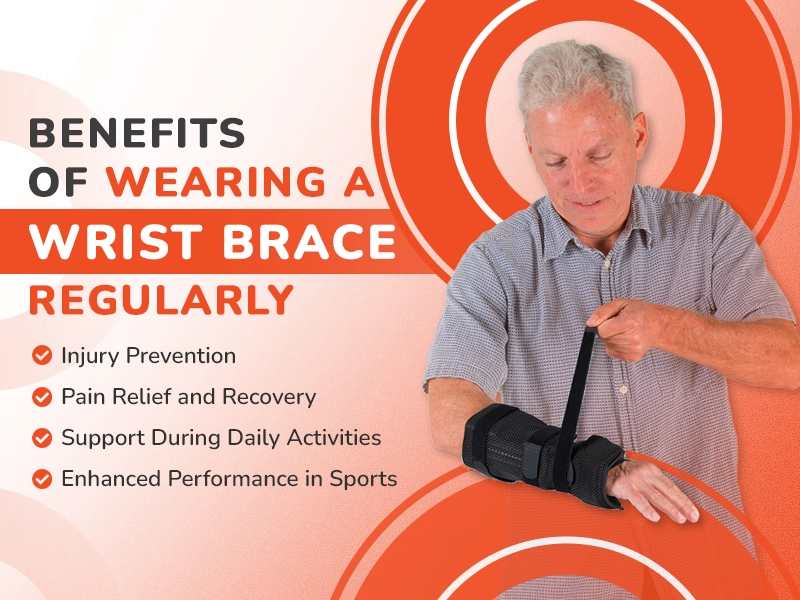
Benefits of Wearing a Wrist Brace Regularly

Wearing a wrist brace regularly offers a variety of benefits, whether you’re looking to prevent injury, recover from an existing condition, or enhance your performance in work or sports. Here are the key advantages:

Benefits of Wearing a Wrist Brace Regularly

1. Injury Prevention

Wrist braces provide extra support, reducing the risk of strain or injury, especially during repetitive tasks or physical activities. They stabilize the wrist joint, preventing overextension or sudden movements that could lead to sprains or tears.

2. Pain Relief and Recovery

For those already dealing with wrist pain, such as carpal tunnel syndrome, tendonitis, or sprains, a wrist brace can provide immediate relief. It helps reduce swelling and alleviates pressure on affected areas, allowing for quicker recovery.

3. Support During Daily Activities

Wrist braces are ideal for those who perform tasks that put pressure on the wrist, such as typing, lifting, or sports. The additional support helps you maintain proper alignment and posture, reducing strain during these activities.

4. Enhanced Performance in Sports

Athletes often wear wrist braces to support their wrists during intense physical activity. Whether you’re playing basketball, tennis, or weightlifting, a wrist brace can provide the stability needed to perform at your best while reducing the risk of injury.

Read More: Wrist Braces for Carpal Tunnel Syndrome: Can They Really Help?

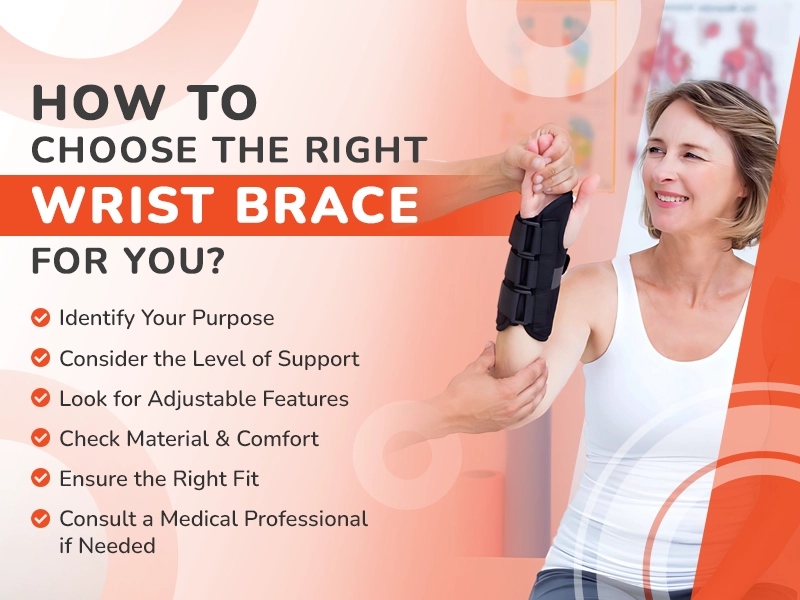
How to Choose the Right Wrist Brace for You?

Choosing the right wrist brace is essential for ensuring proper support, comfort, and effectiveness based on your specific needs. Here are the key factors to consider:

How to Choose the Right Wrist Brace for You?

1. Identify Your Purpose

  • Injury Recovery: If you’re recovering from a wrist injury, look for a rigid or semi-rigid brace that limits movement and maximizes stabilization.
  • Pain Relief (Carpal Tunnel, Tendonitis, Arthritis): A compression brace with moderate support helps reduce swelling and relieve discomfort.
  • Sports & Physical Activity: Choose a flexible, lightweight brace that allows movement while providing stability during high-impact activities.
  • Work & Daily Use: A comfortable, adjustable brace is ideal for typing, lifting, or repetitive motions that cause strain.

2. Consider the Level of Support

  • Mild Support: Ideal for minor wrist pain or prevention, often featuring elastic or neoprene materials.
  • Moderate Support: Offers compression and some restriction of movement for mild injuries or strain.
  • Maximum Support: Rigid braces with splints or stabilizers designed for injury recovery or post-surgery immobilization.

3. Look for Adjustable Features

A good wrist brace should have adjustable straps or Velcro closures for a customizable fit. This ensures the brace stays secure without being too tight or uncomfortable.

4. Check Material & Comfort

  • Breathable fabric (like neoprene or mesh) prevents excessive sweating and irritation.
  • Padded linings add extra comfort, especially for all-day wear.
  • The lightweight design is ideal for active use without restricting movement.

5. Ensure the Right Fit

  • Measure your wrist size before purchasing. Some braces are available in small, medium, and large sizes, while others are one-size-fits-all with adjustable straps.
  • Make sure the brace provides a snug but comfortable fit—too loose will not provide support, and too tight can cut off circulation.

6. Consult a Medical Professional if Needed

If you have a serious injury, chronic pain, or post-surgical recovery needs, it’s best to consult a doctor or physical therapist for recommendations on the best type of wrist brace for you.

Conclusion

Wrist braces are an essential tool for preventing injuries, relieving pain, and providing support during work, sports, and daily activities. Whether you need a brace for recovery, injury prevention, or improved performance, choosing the right one ensures comfort and long-term wrist health. By selecting a high-quality wrist brace with the right level of support, adjustability, and durability, you can protect your wrists and stay active without discomfort.

At Heal Medical Supply, we offer a wide range of wrist braces designed for all needs—whether you’re an athlete, an office worker, or recovering from an injury. Explore our collection today and find the perfect wrist brace to keep your hands strong, supported, and pain-free!

Back Braces for Sciatica: Can They Really Help with Pain?

Back Braces for Sciatica: Can They Really Help with Pain?

Sciatica is a common yet painful condition that affects millions of people worldwide, causing sharp, radiating pain that starts in the lower back and travels down the legs. This discomfort is often the result of pressure on the sciatic nerve, typically due to a herniated disc, spinal stenosis, or muscle inflammation. For those struggling with sciatica, even simple daily activities like standing, walking, or bending can become challenging. While various treatment options exist, many individuals turn to back braces as a non-invasive way to manage their symptoms and regain mobility.

Back braces are designed to provide targeted support, improve posture, and reduce strain on the lower spine, all of which can help alleviate sciatic pain. By stabilizing the lumbar region, these braces minimize unnecessary movement and promote spinal alignment, potentially easing pressure on the sciatic nerve. But do they truly offer lasting relief? In this article, we’ll explore the effectiveness of back braces for sciatica, their benefits, limitations, and how to use them as part of a comprehensive pain management plan.

Understanding Sciatica and Its Causes

Sciatica is a common yet often misunderstood condition that causes significant discomfort and disruption to daily life. In this comprehensive guide, we’ll break down everything you need to know about sciatica, from its definition to its causes, symptoms, and treatment options. Whether you’ve been diagnosed with sciatica or are seeking to better understand it, this article will provide valuable insights to help you manage and reduce the impact of this condition.

What is Sciatica?

Sciatica refers to pain that radiates along the path of the sciatic nerve, which runs from the lower back, through the hips, and down each leg. This nerve is the longest in the body, and when it becomes irritated or compressed, it can cause a range of symptoms, from mild discomfort to intense pain.

Unlike common back pain, sciatica specifically affects one side of the body. The severity of the pain can vary depending on the underlying cause of the nerve irritation, and it may come and go or persist for weeks or even months.

Causes of Sciatica

Sciatica is typically caused by compression or irritation of the sciatic nerve. Common causes include:

  • Herniated Disc: A bulging or ruptured disc in the spine presses on the sciatic nerve.
  • Spinal Stenosis: Narrowing of the spine that puts pressure on the nerve.
  • Degenerative Disc Disease: Wear and tear of spinal discs, leading to nerve compression.
  • Spondylolisthesis: A slipped vertebra that affects the nerve.
  • Piriformis Syndrome: Muscle spasms in the buttocks irritate the sciatic nerve.
  • Trauma or Injury: Accidents or falls that cause nerve damage.
  • Pregnancy: Pressure from the growing baby can compress the nerve.
  • Lifestyle Factors: Poor posture, obesity, and inactivity can increase risk.

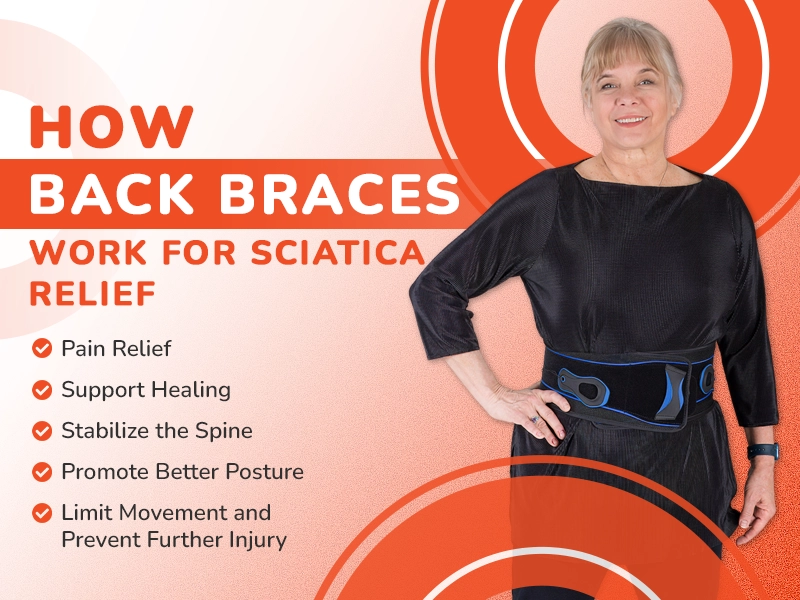
How Back Braces Work for Sciatica Relief

Back braces can be an effective tool for managing sciatica symptoms by providing support and reducing pressure on the spine and sciatic nerve. Here’s how they work:

How Back Braces Work for Sciatica Relief

1. Stabilize the Spine

Back braces help stabilize the lower back by providing external support to the spine. This reduces strain on the muscles and ligaments surrounding the spine, which can alleviate the pressure on the sciatic nerve caused by herniated discs, spinal stenosis, or other underlying conditions.

2. Promote Better Posture

One of the main benefits of wearing a back brace is its ability to encourage proper posture. By keeping the spine aligned, a back brace can help prevent movements that worsen sciatica pain, such as slouching or bending improperly. This can provide long-term relief for those with sciatica triggered by poor posture.

3. Limit Movement and Prevent Further Injury

A back brace can limit excessive movement, especially when lifting or performing activities that could exacerbate sciatica pain. Restricting certain motions prevents further aggravation of the affected nerve, giving the body time to heal.

4. Support Healing

For individuals recovering from an injury, such as a herniated disc or muscle strain, a back brace provides support during the healing process. It helps reduce muscle fatigue, improves circulation, and prevents unnecessary strain on the injured area.

5. Pain Relief

While a back brace won’t cure sciatica, it can offer relief by reducing muscle tension, providing gentle compression, and supporting the lower back. This can help relieve the constant discomfort associated with sciatica, especially during daily activities.

Types of Back Braces for Sciatica

Here’s a breakdown of the most common types of back braces for sciatica, with two key features of each:

1. Lumbar Support Braces

  • Targeted Support: Provides targeted support to the lower back, alleviating pressure on the sciatic nerve.
  • Lightweight and Adjustable: Comfortable for daily use, with adjustable straps for a customizable fit.

2. Abdominal Binders

  • Core Stabilization: Supports both the lower back and abdomen, helping to stabilize the core and reduce strain on the spine.
  • Post-Surgery Use: Commonly used after spinal surgery or for conditions like degenerative disc disease to aid recovery.

3. Corset-Style Braces

  • Enhanced Support: Rigid construction with metal or plastic stays to provide firm support and limit unnecessary spinal movement.
  • Pain Relief for Severe Cases: This treatment is ideal for more severe sciatica, offering substantial back stabilization and pain relief during recovery.

4. Posture Corrector Braces

  • Postural Alignment: Encourages proper spinal alignment, which can reduce strain on the sciatic nerve caused by poor posture.
  • Discreet and Lightweight: Often worn under clothing, these braces are subtle and suitable for all-day wear.

5. Full Back Braces

  • Complete Back Support: Provides comprehensive support for the entire spine, from the lower back to the upper back.
  • Maximum Stabilization: Ideal for those with chronic sciatica or after surgery, offering full-body support to limit movement.

6. Dynamic Braces

  • Flexible Support: Offers flexibility while still providing enough support to control excessive spinal motion.
  • Comfortable for Activity: This allows you to stay active and move freely, which is helpful for moderate sciatica caused by muscle strain.

Each type of back brace offers unique features designed to provide targeted support and relief, so it’s important to choose one that fits your specific needs. Always consult a healthcare professional for personalized recommendations.

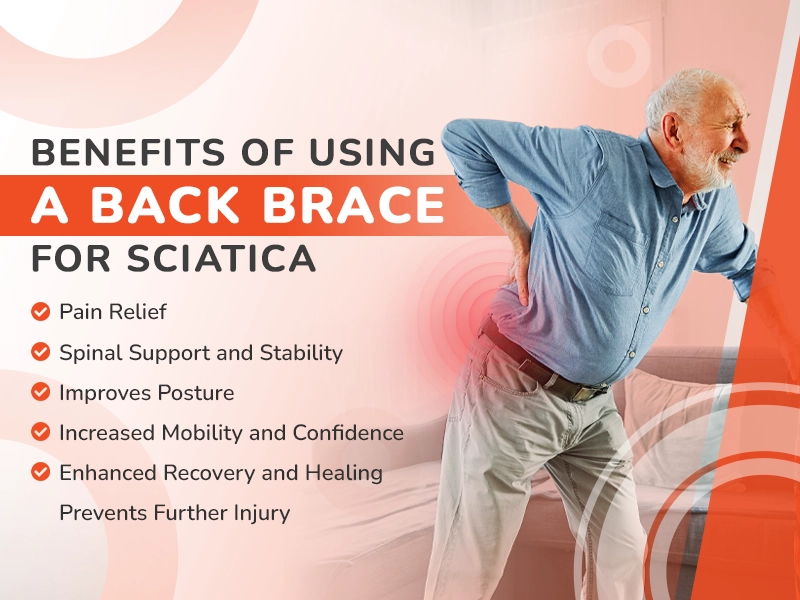
Benefits of Using a Back Brace for Sciatica

Using a back brace can provide several advantages for individuals dealing with sciatica, from relieving pain to supporting proper posture. Here are the key benefits:

   Benefits of Using a Back Brace for Sciatica

1. Pain Relief

A back brace helps reduce pressure on the sciatic nerve by stabilizing the lower back and supporting the spine, alleviating pain and discomfort associated with sciatica. Additionally, it helps reduce muscle strain by providing external support, easing the intensity of sciatica symptoms.

2. Spinal Support and Stability

Back braces limit excessive movement, such as bending, twisting, or lifting, which can aggravate sciatica pain. They also encourage proper spinal alignment, preventing poor posture that could worsen the condition and allowing the spine to heal correctly.

3. Improves Posture

A back brace, especially posture correctors, encourages individuals to maintain proper alignment throughout the day. By preventing slouching, it reduces the risk of sciatica flare-ups that result from poor posture and spinal misalignment.

4. Increased Mobility and Confidence

Wearing a back brace gives individuals the confidence to move without the fear of worsening their symptoms, ultimately improving overall function and mobility. For those with mild sciatica, it allows for more comfortable participation in daily activities and light exercise.

5. Enhanced Recovery and Healing

For those recovering from an injury, such as a herniated disc or spinal surgery, a back brace offers critical support during the healing process. It helps protect the spine and prevents further injury, reducing muscle fatigue and promoting quicker recovery.

6. Prevents Further Injury

A back brace reduces unnecessary strain on the spine, helping prevent the worsening of sciatica. It also prevents compensatory movements that could lead to additional injuries, ensuring the spine stays protected while healing.

Read More: Back Brace After Back Surgery: When and How to Use It?

Limitations and Considerations of Using a Back Brace for Sciatica

While back braces can provide relief for sciatica, there are important limitations to consider:

  • Not a Long-Term Solution: Prolonged use can weaken lower back muscles, so it’s important to combine the brace with strengthening exercises for long-term relief.
  • Discomfort and Movement Restrictions: An ill-fitting or tight brace can cause discomfort and limit mobility, affecting daily activities.
  • Does Not Address the Cause: A back brace alleviates symptoms but doesn’t treat underlying issues like herniated discs or spinal stenosis. Other treatments may be necessary.
  • May Not Be Effective for Severe Cases: For chronic sciatica, a back brace may not provide enough relief, and additional treatments like therapy or surgery might be needed.
  • Proper Fit is Essential: A poorly fitted brace can cause discomfort or injury. Always consult a healthcare professional to ensure proper sizing.
  • Skin Irritation: Wearing a back brace for long periods may cause skin irritation, so use a protective layer under the brace.
  • Conclusion: Back braces offer short-term relief but should be used alongside other treatments for effective long-term management of sciatica.

Conclusion

Back braces can offer effective short-term relief for sciatica by providing support and improving posture. However, they are not a long-term solution and should be used alongside other treatments like physical therapy and medical care to address the root cause of the condition.

It’s important to ensure the brace fits properly and consult with a healthcare provider before use. If you’re struggling with sciatica and need guidance on finding the right support, contact us today. The Heal Medical Supply is here to help you take the next step toward lasting relief.


Knee Braces for Arthritis: Finding the Right Fit for Pain Relief

Knee Braces for Arthritis: Finding the Right Fit for Pain Relief

Arthritis is a common condition affecting millions worldwide, causing joint pain, stiffness, and reduced mobility. When it strikes the knee, it can significantly impact daily activities, from walking to climbing stairs. Fortunately, knee braces offer a non-invasive and effective solution for managing arthritis pain. They provide much-needed support, enhance mobility, and help reduce inflammation, allowing individuals to maintain an active lifestyle.

Choosing the right knee brace for arthritis can be a game-changer, but with so many options available, it can be overwhelming. At Heal Medical Supply, we understand how crucial it is to find the perfect fit for your needs. In this guide, we’ll walk you through the different types of knee braces, how to choose the right one and the benefits they offer in relieving arthritis pain. Whether you’re dealing with mild discomfort or severe knee arthritis, this comprehensive guide will help you make an informed decision for optimal pain relief and improved knee function.

Let’s get started on finding the best knee brace to help you get back to your active life.

Understanding Arthritis and Knee Pain

Arthritis is a broad term that refers to inflammation of the joints, causing pain, stiffness, and reduced mobility. When it affects the knee joint, it can significantly impact a person’s ability to perform everyday tasks. Two primary types of arthritis commonly affect the knees: osteoarthritis and rheumatoid arthritis.

  • Osteoarthritis (OA): The most common form of arthritis, OA, occurs when the cartilage in the knee joint gradually wears down over time. This results in bones rubbing against each other, causing pain, swelling, and stiffness. OA typically affects older individuals, but it can also develop in younger people due to injury or overuse.
  • Rheumatoid Arthritis (RA): Unlike OA, RA is an autoimmune disease where the body’s immune system attacks the joints, causing inflammation and damage. RA can affect both knees simultaneously and often leads to severe pain, deformities, and significant loss of function.

Regardless of the type, arthritis in the knee can lead to ongoing pain, swelling, and discomfort, which can severely limit mobility and quality of life. That’s where knee braces come in.

Knee braces help by providing external support to the affected joint, reducing the strain on the knee and alleviating pain. They also help to stabilize the knee, prevent further damage, and improve overall function. With the right knee brace, individuals suffering from arthritis can experience improved mobility and an enhanced quality of life, allowing them to continue doing the things they love.

Types of Knee Braces for Arthritis

Choosing the right knee brace for arthritis is essential for pain relief, joint support, and improved mobility. Different types of knee braces offer varying levels of support based on the severity of arthritis and individual needs. Here are the most common types:

  • Compression Knee Sleeves – Ideal for mild arthritis, these braces improve circulation, reduce swelling, and provide gentle support.
  • Wraparound Knee Braces – Easy to put on and adjust, offering moderate support for individuals with mild to moderate knee pain.
  • Hinged Knee Braces – Designed for enhanced stability, these braces support weakened joints and help prevent excessive movement that may worsen arthritis pain.
  • Unloader Knee Braces – Best for osteoarthritis, these specialized braces shift weight away from the damaged part of the knee, reducing pain and improving mobility.
  • Custom vs. Off-the-Shelf Braces – Custom knee braces provide a personalized fit for severe arthritis, while off-the-shelf options offer affordability and convenience.

Selecting the best knee brace depends on your pain level, lifestyle, and medical recommendations. A well-fitted knee brace can make a significant difference in managing arthritis and maintaining an active lifestyle.

How to Choose the Right Knee Brace for Arthritis

Finding the best knee brace for arthritis depends on your pain level, mobility needs, and lifestyle. Here’s what to consider:

  • Severity of Arthritis – Mild arthritis may only require a compression sleeve, while severe cases benefit from unloader or hinged braces.
  • Support Level – Choose a brace with the right stability, from basic compression to advanced joint support.
  • Fit & Comfort – A properly sized brace prevents slipping and discomfort while ensuring maximum relief.
  • Material & Breathability – Lightweight, moisture-wicking materials enhance comfort for daily wear.
  • Doctor’s Recommendation – Consult a healthcare professional for the best knee brace for your specific condition.

Benefits of Using a Knee Brace for Arthritis

Arthritis in the knee can make everyday movements difficult, causing pain, stiffness, and instability. A knee brace is a simple yet effective solution that helps manage arthritis symptoms, allowing you to stay active and comfortable. Here’s how a knee brace can benefit you:

Benefits of Using a Knee Braces for Arthritis

1. Pain Relief

Knee braces reduce the strain on affected joints by redistributing weight and providing structural support. Unloader knee braces, in particular, help shift pressure away from the damaged area, reducing pain and discomfort during movement. Compression braces also help alleviate soreness by improving circulation and reducing inflammation.

2. Improved Stability & Joint Support

Arthritis can weaken the knee joint, making it prone to instability and sudden giving way. Hinged knee braces and wraparound braces offer reinforced support, preventing excessive movements that could lead to further damage or injury. This added stability makes walking, standing, and climbing stairs much safer and more comfortable.

3. Reduced Swelling & Inflammation

Inflammation is a common symptom of arthritis, leading to swelling and stiffness in the knee. Compression knee sleeves help improve blood flow, reducing swelling and promoting faster recovery after activity. This can be especially helpful for individuals who experience morning stiffness or swelling after prolonged movement.

4. Enhanced Mobility & Flexibility

By reducing pain and stiffness, knee braces allow for greater ease of movement. Whether you’re going for a walk, exercising, or performing daily tasks, the right knee brace can help you move more freely without fear of discomfort or instability.

5. Joint Protection & Long-Term Support

Using a knee brace can help slow the progression of arthritis by preventing excessive wear and tear on the joint. Custom knee braces or off-the-shelf options designed for arthritis provide long-term protection, reducing stress on the knee and minimizing further cartilage breakdown.

Read More: Knee Brace for Osteoarthritis: How It Can Improve Your Quality of Life.

Tips for Proper Use and Care of a Knee Brace

Using a knee brace correctly ensures maximum pain relief, support, and durability. Follow these essential tips to get the most out of your knee brace:

Tips for Proper Use and Care of a Knee Braces

1. Wear Your Knee Brace Properly

  • Ensure the brace fits snugly but not too tight—it should provide support without restricting circulation.
  • Position the brace correctly so it stabilizes the knee joint without slipping or bunching.
  • Follow your doctor’s or physical therapist’s recommendations on when and how long to wear it.

2. Know When to Wear It

  • Use a knee brace during activities that put stress on your knee, such as walking, exercising, or standing for long periods.
  • Some braces, like compression sleeves, can be worn throughout the day, while hinged or unloader braces may be used only when needed.
  • Avoid wearing the brace while sleeping unless recommended by a healthcare professional.

3. Keep Your Knee Brace Clean

  • Wash fabric braces regularly to prevent sweat buildup, odors, and skin irritation.
  • Hand wash with mild soap and cold water, or follow the manufacturer’s cleaning instructions.
  • Allow the brace to air dry completely before wearing it again—avoid high heat, which can damage materials.

4. Check for Wear and Tear

  • Inspect your knee brace regularly for signs of wear, such as fraying straps, loose hinges, or stretched elastic.
  • Replace worn-out braces to maintain proper support and effectiveness.
  • If the brace becomes uncomfortable or no longer fits well, consult a healthcare provider for adjustments or a replacement.

5. Use with Other Arthritis Management Techniques

  • Combine knee brace use with low-impact exercises, such as swimming or cycling, to strengthen muscles around the joint.
  • Apply hot or cold therapy as needed to reduce inflammation and stiffness.
  • Maintain a healthy diet rich in anti-inflammatory foods to support joint health.

Conclusion

Living with arthritis can be challenging, but the right knee brace can make a significant difference in managing pain, improving stability, and enhancing mobility. Whether you need compression sleeves for mild support, hinged braces for extra stability, or unloader braces for targeted relief, there’s a solution to fit your needs.

At Heal Medical Supply, we offer a wide range of high-quality knee braces for arthritis designed to provide maximum comfort and support. Explore our collection today and take the first step toward a pain-free, active lifestyle!

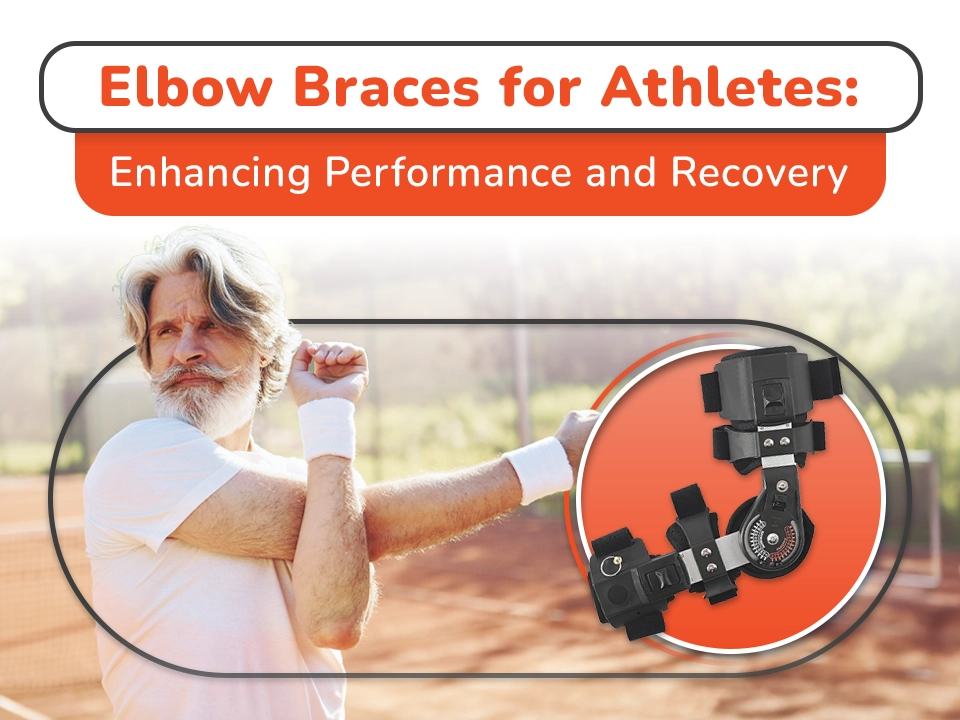
Elbow Braces for Athletes: Enhancing Performance and Recovery

Elbow Braces for Athletes: Enhancing Performance and Recovery

Elbow injuries are one of the most common complaints among athletes, and they can occur in a variety of sports. Whether it’s the repetitive motion of tennis and golf swings, the intense pressure of weightlifting, or the high-impact movements in contact sports like basketball and football, the elbow joint is constantly under stress. This is why elbow braces have become an essential tool for athletes looking to protect their elbows, improve performance, and speed up recovery.

Elbow braces are specifically designed to provide support, reduce pain, and prevent injuries, making them a must-have for anyone involved in sports. Whether you’re dealing with conditions like tennis elbow, golfer’s elbow, tendonitis, or simply want to prevent strain from high-impact activity, an elbow brace can offer the stability and relief you need. At Heal Medical Supply, we offer a wide range of high-quality elbow braces tailored to meet the needs of athletes at all levels.

Understanding Elbow Braces

Elbow braces are essential tools for athletes looking to prevent injuries, manage pain, and enhance performance. These supportive devices help stabilize the elbow joint, reduce strain on muscles and tendons, and promote faster recovery. Whether you’re an athlete recovering from an injury or someone looking to prevent one, choosing the right elbow brace can make a significant difference in your comfort and performance.

What Are Elbow Braces?

Elbow braces are orthopedic supports designed to protect the elbow joint from excessive strain and repetitive stress. They provide compression, stability, and targeted support to reduce the risk of injuries such as tennis elbow, golfer’s elbow, tendonitis, and ligament strains. Many athletes use elbow braces as a preventive measure to maintain joint health and reduce discomfort during high-impact activities.

Types of Elbow Braces

Elbow braces come in various styles, each designed to provide a specific level of support, compression, and protection. Choosing the right elbow brace depends on your needs—whether it’s for injury prevention, pain relief, rehabilitation, or athletic performance enhancement. Below are the most common types of elbow braces and their functions.

1. Compression Sleeves

Best for: Mild support, muscle recovery, and reducing inflammation

Compression sleeves are made from elastic, breathable materials like neoprene or spandex and provide gentle compression to improve blood circulation, reduce swelling, and alleviate muscle fatigue. These sleeves are ideal for athletes who engage in repetitive arm movements, such as tennis players, golfers, and weightlifters. They also help in keeping the elbow warm, which can prevent stiffness and improve flexibility.

Key Benefits

  • Enhances blood circulation for faster recovery
  • Reduces swelling and inflammation
  • Provides mild support without restricting movement

2. Strap Braces (Counterforce Braces)

Best for: Targeted relief for tendonitis, tennis elbow, and golfer’s elbow

Strap braces, also known as counterforce braces, are designed with an adjustable strap that applies pressure to the forearm tendons. This pressure helps reduce strain on the lateral epicondylitis (outer elbow) and medial epicondylitis (inner elbow), which are commonly affected by tennis elbow (lateral epicondylitis) and golfer’s elbow (medial epicondylitis).

Key Benefits

  • Provides targeted pressure to relieve tendon stress
  • Reduces pain from repetitive arm movements
  • Lightweight and easy to wear during sports activities

3. Hinged Elbow Braces

Best for: Moderate to high support, post-injury recovery, and joint stabilization

Hinged elbow braces offer maximum support and stability, making them ideal for individuals recovering from serious elbow injuries, surgeries, or ligament tears. These braces feature adjustable hinges that control elbow movement and prevent hyperextension. They are commonly used by athletes in contact sports (football, wrestling, MMA) or those recovering from dislocations and fractures.

Key Benefits

  • Provides superior joint stability
  • Limits excessive movement to aid recovery
  • Protects against hyperextension injuries

How Do Elbow Braces Work?

Elbow braces provide support, stability, and pain relief by reducing strain on the elbow joint and surrounding muscles. They help athletes and individuals recover from injuries by improving circulation, minimizing stress on tendons, and preventing excessive movement.

How Do Elbow Braces Work?

1. Compression for Pain Relief

Elbow braces improve blood circulation, reducing swelling, inflammation, and muscle fatigue. This speeds up recovery and alleviates pain from tendonitis, arthritis, and overuse injuries.

2. Joint Stabilization

Hinged and immobilizer braces limit excessive movement, preventing hyperextension and further injury. They are ideal for post-surgical recovery, fractures, and ligament protection.

3. Reducing Strain on Tendons

Counterforce braces apply targeted pressure to relieve stress on tendons, helping with tennis elbow, golfer’s elbow, and repetitive strain injuries.

4. Preventing Sports Injuries

Wearing an elbow brace during sports helps maintain joint alignment, prevent muscle overuse, and improve flexibility. This is beneficial for tennis players, golfers, weightlifters, and other athletes.

5. Enhancing Performance

Elbow braces provide support without restricting movement, helping athletes improve endurance, reduce fatigue, and maintain grip strength.

Who Should Use Elbow Braces?

Elbow braces are essential for athletes, individuals recovering from injuries, and those with chronic joint conditions. They provide support, pain relief, and injury prevention, making them beneficial for various users.

1. Athletes in High-Impact or Repetitive Sports

Sports that involve repetitive arm movements, heavy lifting, or high-impact force put stress on the elbow joint. Elbow braces help stabilize muscles, reduce strain, and prevent injuries. 

They are commonly used in:

  • Tennis and Golf – Helps prevent tennis elbow (lateral epicondylitis) and golfer’s elbow (medial epicondylitis)
  • Baseball and Basketball – Supports the elbow during throwing and shooting motions
  • Weightlifting and CrossFit – Reduces strain on tendons and ligaments from heavy lifting
  • Football, Wrestling, and MMA – Provides joint stability and impact protection

2. Individuals Recovering from Injuries

Elbow braces aid recovery by limiting excessive movement, reducing pain, and improving circulation. 

They are recommended for:

  • Tendonitis and Strains – Reduces stress on overworked tendons
  • Ligament Injuries and Sprains – Provides stability and support for healing
  • Post-Surgery Recovery – Immobilizes the elbow to promote proper healing after surgery

3. People with Chronic Elbow Conditions

Chronic conditions can cause ongoing pain, stiffness, and weakness. Elbow braces offer pain relief and support for conditions such as:

  • Arthritis – Reduces joint stiffness and inflammation
  • Bursitis – Helps prevent swelling and discomfort
  • Carpal Tunnel Syndrome – Eases strain on the forearm muscles

4. Workers with Physically Demanding Jobs

People with jobs requiring heavy lifting, repetitive arm motions, or extended use of hand tools can benefit from an elbow brace. 

This includes:

  • Construction workers and mechanics
  • Warehouse employees and movers
  • Office workers who type extensively

5. Anyone Experiencing Elbow Pain or Weakness

If you experience persistent elbow pain, discomfort, or weakness, an elbow brace can provide extra support, reduce stress, and promote healing. 

Read More: How Elbow Braces Can Help Relieve Tennis Elbow and Other Common Conditions?

Benefits of Using Elbow Braces

Elbow braces provide essential support, pain relief, and injury prevention for athletes, individuals recovering from injuries, and those with chronic joint conditions. Whether used for sports, rehabilitation, or daily activities, elbow braces help improve comfort, mobility, and performance.

Benefits of Using Elbow Braces

1. Provides Pain Relief

Elbow braces help reduce pain from conditions like tendonitis, arthritis, and bursitis by applying gentle compression that improves blood flow and reduces inflammation.

2. Prevents Injuries

For athletes and individuals involved in repetitive arm movements, elbow braces prevent overuse injuries by stabilizing the joint and reducing strain on tendons and muscles.

3. Supports Injury Recovery

Elbow braces help speed up recovery by limiting excessive movement and providing stability, making them essential for those recovering from sprains, fractures, ligament injuries, or post-surgery rehabilitation.

4. Improves Performance in Sports

By offering support and reducing muscle fatigue, elbow braces help athletes maintain better endurance, grip strength, and flexibility, leading to improved performance in sports like tennis, golf, baseball, weightlifting, and CrossFit.

5. Enhances Joint Stability

Braces provide extra reinforcement to the elbow joint, reducing the risk of hyperextension and instability, which is especially beneficial for contact sports, heavy lifting, and physically demanding jobs.

6. Reduces Swelling and Inflammation

Compression from elbow braces promotes circulation, which helps reduce swelling, stiffness, and inflammation caused by injuries or chronic conditions.

7. Allows Safe Movement Without Restriction

Designed for flexibility and comfort, elbow braces provide necessary support while allowing a full range of motion, enabling users to move naturally without feeling restricted.

Conclusion

Elbow braces are essential for athletes, individuals recovering from injuries, and those managing chronic conditions. They provide pain relief, joint stability, and injury prevention, making them a valuable tool for improving mobility and performance. Whether you need a compression sleeve for mild support, a counterforce brace for tendonitis relief, or a hinged brace for post-surgical recovery, the right elbow brace can make a significant difference in your daily comfort and activity level.

At Heal Medical Supply, we offer a wide range of high-quality, durable, and comfortable elbow braces to support your health and recovery journey. Browse our collection today and find the perfect elbow brace to keep you active, pain-free, and performing at your best!

How to Properly Wear and Care for Your Ankle Braces?

How to Properly Wear and Care for Your Ankle Braces?

Ankle braces are essential tools for managing injuries, preventing re-injury, and providing support during physical activity. Whether you’re recovering from a sprain, managing chronic instability, or seeking added protection during sports, ankle braces play a vital role in stabilizing the joint and promoting healing. However, their effectiveness hinges on proper usage and maintenance. An ill-fitted or poorly cared-for brace can not only fail to provide the intended benefits but may also cause additional discomfort or impede recovery progress.

In this article, we’ll walk you through the steps to wear and care for your ankle braces effectively, ensuring they deliver the support you need. Backed by insights from Heal Medical Supply, this guide will help you get the most out of your ankle braces for a healthier, more active lifestyle.

Why Proper Usage Matters?

Ankle braces are more than just supportive gear—they are a critical component of injury prevention and recovery. Properly applied braces provide stability to weakened or injured ligaments, reduce pain, and support the joint during movement. However, their benefits depend on correct application and diligent care. When worn incorrectly, ankle braces can do more harm than good, potentially causing additional strain on other parts of the foot or leg, limiting your range of motion, or even exacerbating the injury they are meant to protect.

Beyond application, maintenance is equally important. A poorly maintained brace may lose its structural integrity, diminishing its ability to provide adequate support. This can compromise your recovery process or increase the risk of re-injury. Proper care not only ensures the durability of the brace but also keeps it hygienic and comfortable, especially for prolonged or frequent use.

By understanding the importance of proper usage and maintenance, you can maximize the effectiveness of your ankle braces, safeguard your recovery, and enhance overall mobility for a healthier, more active lifestyle.

How to Wear Your Ankle Brace Properly?

How to Wear Your Ankle Brace Properly?

Wearing your ankle brace correctly is crucial for achieving maximum support, comfort, and effectiveness. Here’s a step-by-step guide to help you get it right:

1. Choose the Right Fit

A properly fitting ankle brace is essential for effective support and injury prevention.

  • Sizing Matters: An ill-fitting brace can do more harm than good. A brace that’s too tight may restrict circulation, causing discomfort, swelling, or numbness. Conversely, a brace that’s too loose won’t provide the stability your ankle needs.
  • Consult Professionals: Don’t guess your size—seek advice from your healthcare provider or the experts at Heal Medical Supply. They can recommend the right type and size of brace for your specific condition, ensuring optimal fit and support.

2. Wear Over Proper Footwear

The combination of your brace and footwear can significantly impact its effectiveness.

  • Layering: Always wear your ankle brace over a clean sock. This prevents direct skin contact with the brace, reducing irritation and improving hygiene.
  • Compatible Shoes: Choose shoes with enough room to accommodate the brace without causing discomfort. Athletic shoes or those with adjustable straps are ideal for wearing with braces, as they allow for a snug fit without squeezing your foot.

3. Align Correctly

Proper alignment is key to maximizing the brace’s support and preventing further injury.

  • Alignment Tips: Make sure the brace is positioned correctly over your ankle joint. Misalignment can lead to discomfort and reduced effectiveness. Many braces have markings or instructions to guide alignment.
  • Tightening Straps: Fasten the straps or laces evenly to avoid creating pressure points. The brace should feel snug but not overly tight, allowing for natural movement without compromising stability.

4. Follow Usage Guidelines

Understanding when and how to use your ankle brace ensures it delivers the best results for your specific needs.

  • During Activities: Wear the brace during activities that put stress on your ankle, such as walking, exercising, or engaging in sports. This helps stabilize the joint and reduces the risk of injury.
  • For Recovery: If you’re recovering from an injury or surgery, follow your doctor’s instructions regarding when and how long to wear the brace. Overuse during inactivity can weaken your ankle muscles.
  • Prolonged Use: Avoid wearing the brace for extended periods without medical advice, as over-reliance can reduce natural muscle strength and joint stability.

Caring for Your Ankle Brace

Caring for Your Ankle Brace

Proper care and maintenance not only extend the life of your ankle brace but also ensure it remains effective in providing support and stability. Here’s how to keep your brace in top condition:

1. Clean Regularly

Keeping your ankle brace clean prevents the buildup of sweat, dirt, and bacteria that can cause skin irritation or unpleasant odours.

  • Hand Wash: Use mild detergent and lukewarm water to clean your brace. Gently scrub with a soft brush or cloth to remove debris, especially around straps and support areas. Avoid harsh chemicals that can degrade the material.
  • Air Dry: Let your brace air dry completely before wearing it again. Avoid using dryers, direct sunlight, or heat sources like radiators, as excessive heat can weaken elastic and synthetic components, reducing the brace’s effectiveness.

2. Inspect for Wear and Tear

Regular inspection helps identify damage early, ensuring that your brace continues to provide optimal support.

  • Check Straps and Fasteners: Examine velcro, laces, or straps for signs of fraying or weakening. Damaged straps may reduce the brace’s ability to stay securely in place.
  • Support Structures: Look for cracks, warping, or other damage in rigid braces. If the structural integrity is compromised, it’s time to replace the brace.
  • Elastic Materials: Test the elasticity of the brace to ensure it still offers proper compression and support. Worn-out elastic may fail to stabilize your ankle.

3. Store Properly

Proper storage prevents unnecessary damage and keeps your brace ready for use.

  • Cool, Dry Place: Store the brace in a well-ventilated area away from humidity and direct sunlight to prevent material degradation.
  • Avoid Folding Rigid Braces: Rigid or semi-rigid braces should be stored flat or in their natural shape to maintain their structural integrity. Folding can lead to cracks or permanent deformities.
  • Separate from Other Items: Store your brace in a clean space, away from sharp objects or heavy items that could damage it.

4. Follow Manufacturer’s Instructions

Every brace is unique, and adhering to the manufacturer’s guidelines ensures you maintain its functionality.

  • Care Instructions: Review and follow cleaning, drying, and storage recommendations provided by the manufacturer.
  • Usage Limits: Pay attention to instructions regarding how long and under what conditions the brace should be worn. Overuse or improper care can void warranties or reduce effectiveness.
  • Warranty Details: Many braces come with warranties. Proper maintenance often aligns with warranty requirements, ensuring you can replace a defective brace if needed.

Read More: Choosing the Right Ankle Brace: A Guide for Athletes and Active Individuals

Tips for Maximizing Ankle Brace Effectiveness

Proper use of an ankle brace ensures optimal support, stability, and injury prevention. Here’s how to make the most of your brace:

1. Combine with Exercises

  • Strength and Stability: Perform ankle-strengthening and balance exercises as recommended by a physical therapist to complement the support provided by your brace.
  • Rehabilitation Aid: Include mobility exercises to restore range of motion and build muscle strength after an injury.

2. Wear During High-Risk Activities

  • Sports and Workouts: Use your brace during sports, running, or high-impact activities where the risk of sprains or other injuries is higher.
  • Physical Labor: If your job involves heavy lifting or uneven terrain, wearing a brace can prevent accidental ankle twists.

3. Monitor Comfort

  • Strap Adjustments: Regularly check and adjust straps to ensure a snug yet comfortable fit. Overly tight braces can restrict blood flow, while loose braces may fail to provide adequate support.
  • Consult a Professional: If discomfort persists, consult your healthcare provider or a specialist at Heal Medical Supply for alternative solutions or customized braces.

4. Know When to Replace

  • Inspect for Wear and Tear: Regularly check your brace for signs of damage, such as fraying straps, loss of elasticity, or structural deformities.
  • Loss of Support: Replace braces that no longer provide adequate compression or stability, as worn-out braces can compromise safety.

Who Can Benefit from Ankle Braces?

Ankle braces are versatile tools that cater to a wide range of needs, benefiting various individuals:

1. Athletes

  • Injury Prevention: Braces offer support during high-impact sports like basketball, soccer, and running, reducing the risk of sprains.
  • Performance Support: They stabilize the ankle without restricting mobility, allowing athletes to perform confidently.

2. Injury Recovery

  • Healing Assistance: Ankle braces provide stability and limit motion during recovery from sprains, fractures, or tendon injuries.
  • Rehabilitation Support: Braces help prevent re-injury during the critical healing phase.

3. Chronic Conditions

  • Arthritis Relief: Braces alleviate pain and provide support for individuals with arthritis or joint inflammation.
  • Chronic Instability: For those with weak or unstable ankles, braces offer much-needed stability, preventing frequent sprains and enhancing mobility.

How Heal Medical Supply Supports Your Ankle Health?

At Heal Medical Supply, we are committed to helping you achieve optimal ankle health with products and services tailored to your unique needs. Whether you’re an athlete looking to prevent injuries or recovering from a sprain or fracture, our range of ankle braces and expert support ensures you get the care you deserve.

Why Choose Heal Medical Supply?

1. Diverse Range of Products

  • For Every Need: We offer an extensive selection of ankle braces, including those designed for sports performance, post-injury recovery, and chronic conditions like arthritis or instability.
  • High-Quality Materials: Our braces are made with durable, breathable materials to ensure comfort and long-term use.

2. Expert Guidance

  • Personalized Assistance: Our knowledgeable team is here to help you select the ideal brace based on your condition, activity level, and preferences.
  • Custom Fitting: We provide tips on achieving the perfect fit for maximum support and comfort.

3. Educational Resources

  • Usage Tips: Access a library of tutorials, care guides, and recommendations to maximize your brace’s effectiveness.
  • Rehabilitation Advice: Learn how to pair your brace with exercises and other treatments for enhanced recovery and mobility.

4. Exceptional Customer Support

  • Ongoing Care: Whether you need help adjusting your brace or replacing a worn-out product, our customer support team is here to assist.
  • Insurance Assistance: We simplify the process of navigating insurance coverage for medical braces, making your journey stress-free.

Conclusion

Properly wearing and maintaining your ankle brace is essential for its effectiveness and durability. By following the steps and best practices outlined in this guide, you can protect your ankle, expedite recovery, and reduce the risk of future injuries.

At Heal Medical Supply, your health is our priority. Explore our comprehensive range of high-quality ankle braces and take advantage of our expert guidance and resources. Whether you’re managing an existing condition or looking to prevent injuries, we’re here to support you every step of the way.

Take the first step toward better ankle health—contact Heal Medical Supply today and discover the perfect brace for your needs!

dari pemula hingga sukses rahasia depo dana cepat jepe update teknik dan jam gacor

Situs bermain slot gacor permainan slot777 di petir88 gampang maxwin jackpot hingga x5000 auto cuan.

PETIR88 situs slot Olympus super scatter gacor gampang maxwin depo qris aman dan tanpa potongan.

Link APK slot gacor online gampang maxwin 2025.

PETIR88 situs slot Olympus super scatter gacor gampang maxwin depo qris aman dan tanpa potongan.

Link Gacor slot88 server Thailand APK slot gampang maxwin.

PETIR88 situs slot qris resmi deposit DANA, OVO, GOPAY auto cuan hari ini.

Link Alternatif AGEN RESMI SBOBET terpercaya 2025.

PETIR88 link bermain slot88 terbaik dengan RTP slot gacor auto cuan.

PETIR88 situs bermain slot88 terlancar anti lag dengan pola RTP gacor